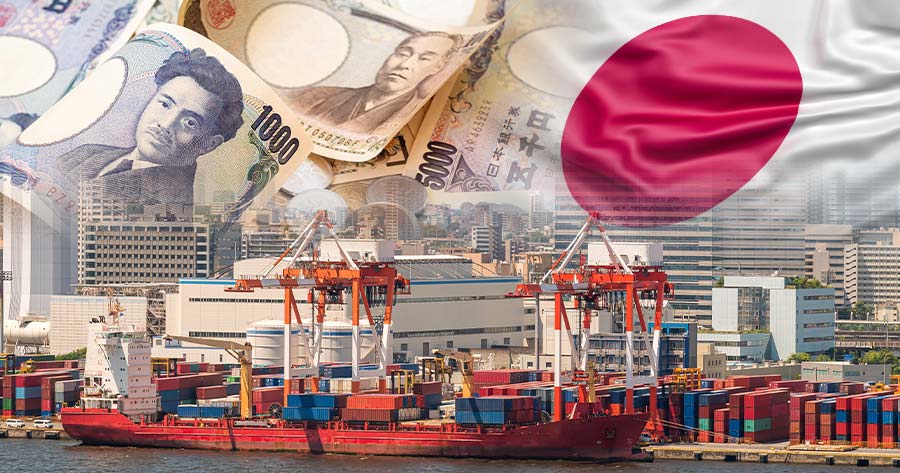
Japanese exports and imports both saw their fastest year-on-year increases in June since November 2022, with official data showing strong external demand and the impact of currency movements.
Exports expanded by 19.3% compared to the same month last year, surpassing economists’ forecasts and marking an acceleration from May’s 16.8% rise. Growth was bolstered by robust semiconductor equipment shipments and the depreciation of the yen.
Asia served as a significant destination, with overall shipments to the region up 22.7%. Exports to Taiwan increased by 46.4%, while exports to China grew 17.6%. Shipments to the United States recorded a 13% increase year-on-year.
Semiconductor exports were a major contributor, rising 53.8% in June, as domestic technology firms benefited from heightened global interest in artificial intelligence. Despite the surge in export values, actual export volumes edged up only 0.2%.
Strong export performance continues to support Japan’s economy, which registered sequential growth of 0.5% and a revised annualized rate of 1.8% in the first quarter of the year.
Imports in June also climbed sharply by 25.4% from a year earlier, outpacing a projected 21% increase. The rise was mainly attributed to significant growth in petroleum imports, up 59.3%, as Japan responded to elevated oil prices resulting from the ongoing war in Iran. The country remains heavily reliant on imports for energy, meeting over 87% of its requirements from abroad.
This marked increase in import costs, particularly in food and fuel, led to a wider trade deficit for the month. The shortfall reached 406.9 billion yen ($2.49 billion) in June, exceeding market expectations and outpacing the previous month’s deficit.
While a brief decrease in oil prices offered some relief, persistently high costs for imported food, along with gas and coal prices, kept overall import values elevated.
According to statements from the Bank of Japan following its June monetary policy meeting, stronger global demand for AI-related goods has alleviated concerns about a slowdown in overseas economies. Consequently, the negative impact from terms of trade has lessened, with economic worries easing domestically.