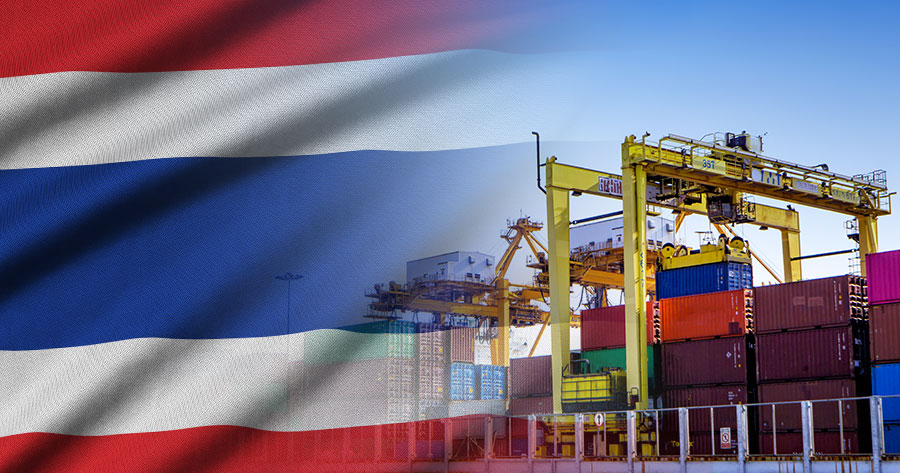
The United States government has implemented a 12.5% import levy on Thai products under Section 301, citing a lack of formal prohibitions against forced labor. This regulatory change, which took effect on July 24, 2026, marks a significant shift in trade policy under President Donald Trump, replacing the previous Section 122 framework. While the measure affects dozens of economies, it places Thailand at a specific competitive crossroads within the Southeast Asian region.
Data from the Thai National Shippers’ Council (TNSC) indicates that Thai exporters now face a 2.5% price gap compared to rivals in Indonesia and Malaysia, who are taxed at a lower 10% rate. This disparity is expected to trigger aggressive price negotiations from American buyers, particularly impacting low-margin sectors like rice, shrimp, and tuna. To counter these pressures, domestic producers are being encouraged to tighten operational costs and improve manufacturing efficiency to protect their market share.
Analysis from Kasikorn Research Center suggests that while the broader economic impact may mirror previous trade cycles, specific industries face diverging prospects. Consumer goods such as air conditioners, refrigerators, and silver jewelry are expected to remain viable due to competitive unit pricing even after the tax is applied. However, high-value machinery—which saw exports to the U.S. reach $2.68 billion in 2025—along with pet food ($1.03 billion) and rice ($824 million), may see their market dominance challenged by the increased fiscal burden.
The logistics environment further complicates the trade outlook, as the Red Sea crisis forces shipping lines to take longer routes around Africa. These detours add approximately $1,000 to $2,000 in costs for every container, a financial weight that is ultimately expected to be passed on to international consumers. Beyond immediate costs, Section 301 is increasingly being used as a tool by the Trump administration to mandate higher standards for labor transparency and supply chain traceability. Consequently, Thai firms must prioritize these ethical standards to maintain their standing in the American market.
Looking forward, Thai officials are closely monitoring potential U.S. inquiries into industrial overcapacity, which could lead to even stricter trade barriers. Should Washington identify market distortions in sectors like automotive parts or rubber, further tax hikes could be implemented to protect American interests. Despite these challenges, the TNSC maintains an optimistic growth target for total exports of 8% to 10% for the current year, provided global conditions remain stable.