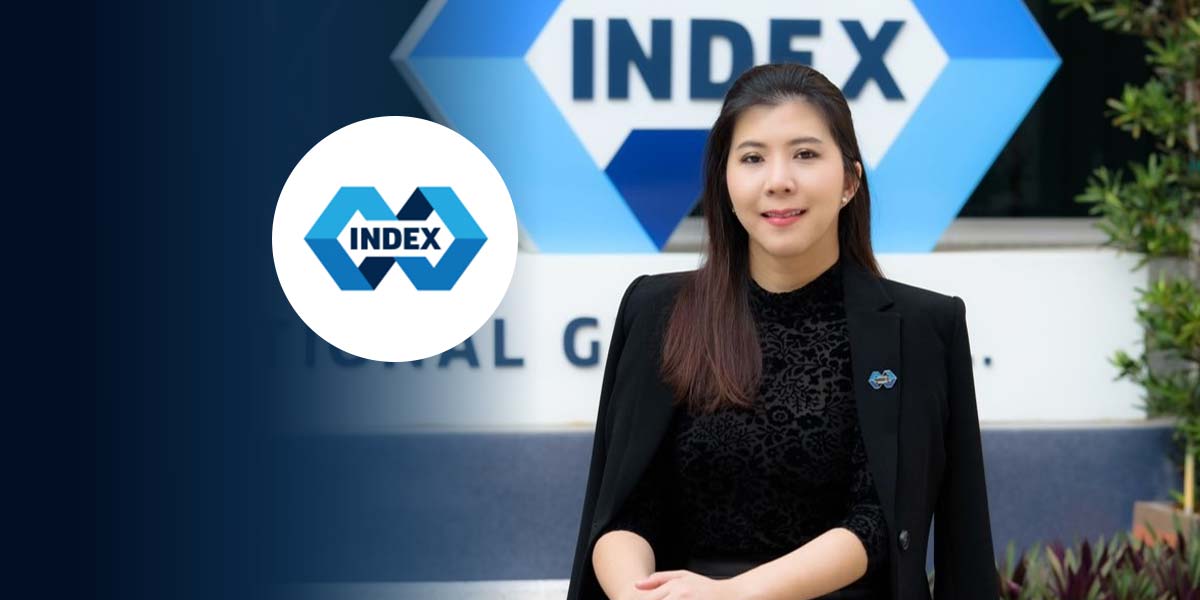
Mrs. Pornlapas Na Lamphun, CEO of Index International Group Public Company Limited (SET: IND), revealed that the company’s operating performance outlook for 2025 shows a distinctive growth trend. In the first nine months of the year, the company generated total revenue of 848 million baht, which surpasses the total revenue for all of 2024, which was at 797 million baht.
This growth is a result of revenue recognition from projects that have been gradually added to the backlog, giving the company the opportunity for revenue and profit in 2025 to achieve an all-time record high. The company expects to hold a board of directors meeting to consider and announce the financial statements on February 12, 2026.
For 2026, the company still aims for continued growth, setting a target for revenue expansion of approximately 10%. However, if the political situation and the establishment of the new government become clear within the first three months of the year, there is a possibility that operating results could exceed this target range.
As for the current backlog, the company has a total value of approximately 2,000 million baht, which is sufficient to support continued revenue recognition until 2028–2029. The main revenue component, over 60%, comes from construction supervision services, further supported by mass transit (railway) projects gradually added to the backlog and helping bolster this year’s performance. In addition, the company also has revenue from previously-signed contracts awaiting recognition of about 600 million baht, giving the company confidence that overall revenue will remain robust.
Mrs. Pornlapas added that a key risk factor remains political uncertainty and the process of forming a new government, as over 80% of the company’s revenue stems from government sector projects. If political stability and policy continuity are maintained, it will favor the smooth progress of large-scale investment projects as planned.
Nonetheless, to manage risks from potential project delays, the company has adjusted its strategy by excluding projects with high uncertainty from budget forecasts, such as the oil depot and U-Tapao Airport projects, which still face issues related to site handover and project delays from the government sector, in order to limit financial statement volatility to an appropriate level.