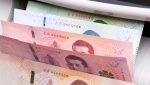
On March 9, 2026, the Thai baht opened at 32.15 THB per US Dollar, weakening from its previous close on Friday at 31.94 THB per US Dollar. TMBThanachart Bank (TTB) noted that this depreciation is a result of the US Dollar strengthening due to safe-haven buying amidst escalating tensions between the United States and Iran.
Key Drivers of Market Volatility
- Surging Oil Prices: WTI crude oil prices have spiked above $100 per barrel. This follows production cuts by major Middle Eastern producers, including Kuwait, Iraq, and the UAE, in response to Iran’s closure of the Strait of Hormuz, a vital maritime shipping route.
- Inflation and Monetary Policy: The rise in oil prices has fueled investor concerns regarding higher inflation. This could reduce the chances of the US Federal Reserve (Fed) cutting interest rates, potentially forcing them to maintain high interest rates for a longer duration.
- Regional Trends: The baht’s weakening is consistent with other Asian regional currencies.
Domestic Impact and Capital Outflows
The baht is facing additional pressure from foreign investors selling Thai assets. As of the previous Friday, foreign investors recorded:
- Bond Market: A net sell of 2,811 million baht.
- Stock Market: A net sell of 6,629 million baht.
Daily Forecast and Trading Strategy
Market participants are advised to monitor the situation in the Middle East, foreign fund flows, regional currency movements, and global gold prices throughout the week. TTB suggests the following exchange rate ranges and recommendations for today:
- USD/THB: Range 32.10 – 32.35 (Recommended: Buy at 32.10 / Sell at 32.35).
- EUR/THB: Range 36.65 – 37.15 (Recommended: Buy at 36.65 / Sell at 37.15).
- JPY/THB: Range 0.1995 – 0.2035 (Recommended: Buy at 0.1995 / Sell at 0.2035).
- GBP/THB: Range 42.60 – 43.00.
- AUD/THB: Range 22.15 – 22.65.