Bangkok has solidified its status as Southeast Asia’s culinary capital, boasting six of the world’s top 50 restaurants in 2025. A primary catalyst for this growth is the Japanese food segment, which expanded from 555 restaurants in 2007 to 2,672 by 2024.
Speaking at the Nikkei Asia Forum APAC 2026 in Bangkok on July 16, Jakkrit Saisomboon, CEO of Maguro Group, identified “accessible luxury” as the massive new trend defining the market. Historically, premium dining was restricted to five-star hotels, but modern consumers now demand high-quality food and service at approachable price points. This shift is accompanied by a rise in specialty brands and “culinary theater,” such as open kitchens and interactive concepts like Kiwamiya Hamburg, which provide greater value for consumer spending.
To capture a “white space” in this evolving market, Maguro Group is launching the world-renowned Ginza Onodera Kaiten (conveyor belt sushi) in Bangkok on July 28th. Mr. Jakkrit noted that while the Thai Japanese food market has reached an 8-billion-baht capacity, the Kaiten segment is just beginning to mature.
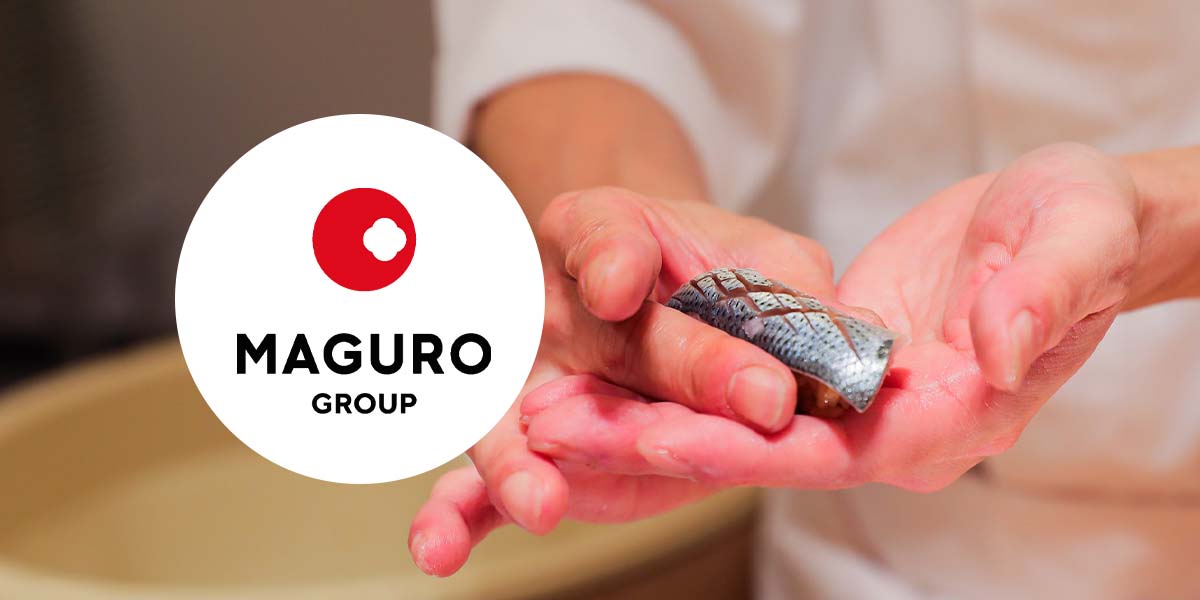
The new concept aims to bring elite Omakase quality—which can cost up to 30,000 yen in traditional settings—into a faster, more budget-friendly format. By utilizing authentic Edomae techniques and premium ingredients like red vinegar rice, the brand targets sophisticated diners who have developed a taste for authenticity through frequent travel to Japan.
Mr. Jakkrit emphasized that the conveyor belt format adds a “fun moment” for families while allowing diners to control their budgets and time. This “repeatable” luxury model is expected to make a significant impact on Bangkok’s dining scene, further upgrading the city’s tourism value chain.