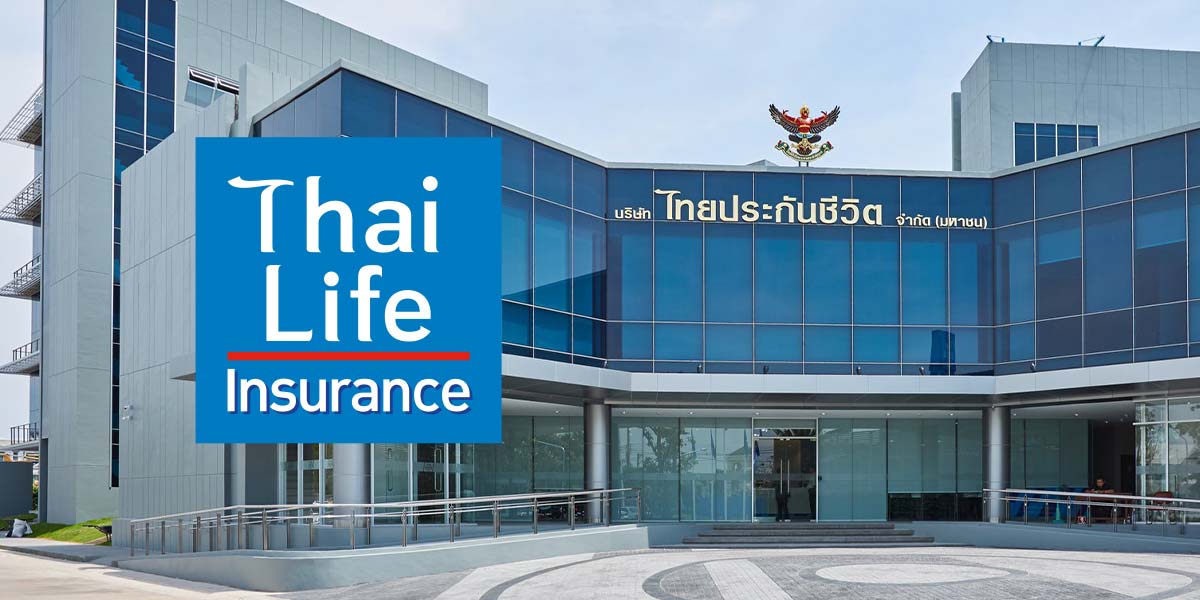
JPMorgan has reaffirmed its Overweight rating on Thai Life Insurance Public Company Limited (SET: TLI) with a target price of Bt17.50, citing the insurer’s strong capital position as a foundation for both shareholder returns and a recovery in business growth, according to takeaways from a virtual non-deal roadshow with the company.
First-half slowdown tied to a high base
TLI’s new business value and new business contractual service margin (CSM) fell 34% and 26% year-on-year, respectively, in the first half of 2026. JPMorgan attributed the decline to a high comparison base, as sales of medical riders surged in the first half of 2025 ahead of the industry’s shift to co-payment terms. Management is targeting a recovery in life sales volume and new business CSM growth in the second half of the year, both year-on-year and against the first half.
Distribution and product strategy
The agency channel remains TLI’s primary long-term growth driver, and the company is in the process of transforming this channel while introducing endowment products tailored for bancassurance.
On demand trends, management noted that customers aged 40 to 50 are currently driving interest in participating policies with low sensitivity to interest rates, as they prepare for retirement. Once these savings needs are met, management expects this segment to generate follow-on demand for health, critical-illness, and protection products.
In line with this shift toward protection-oriented sales, TLI launched “Lifeverse” in the second quarter of 2026 — a single flexible account that allows customers to adjust protection and savings contributions dynamically over their life cycle. Management sees the product as a support for sustainable growth over the medium to long term.
CSM growth and regulatory changes
TLI is focused on building its CSM balance to secure future profit, though full-year 2026 growth may be constrained by the slower pace of new business CSM amid the high base effect. On a more positive note, actual claims experience has come in below actuarial assumptions, generating a positive CSM variance that should support the CSM balance.
Separately, Thailand’s risk-based capital (RBC) framework is due for strengthening, though regulators have not yet finalized details. Potential changes under discussion include raising the confidence level from 95% to either 97.5% or 99.5%, and removing the liability discount rate smoothing mechanism to bring the framework closer in line with TFRS17.
Capital return and investment strategy
TLI proposed its first-ever interim dividend in the first half of 2026 and intends to sustain the practice going forward, supported by a capital adequacy ratio of 459% as of June 2026 — well above the 140% regulatory minimum.
On the investment side, TLI’s expansion into participating and universal life products has allowed for a higher equity allocation within its portfolio. With equity weighting now close to its strategic asset allocation cap, the company sees limited room for further increases and instead plans to raise its exposure to overseas corporate bonds in the coming years to enhance investment yield.