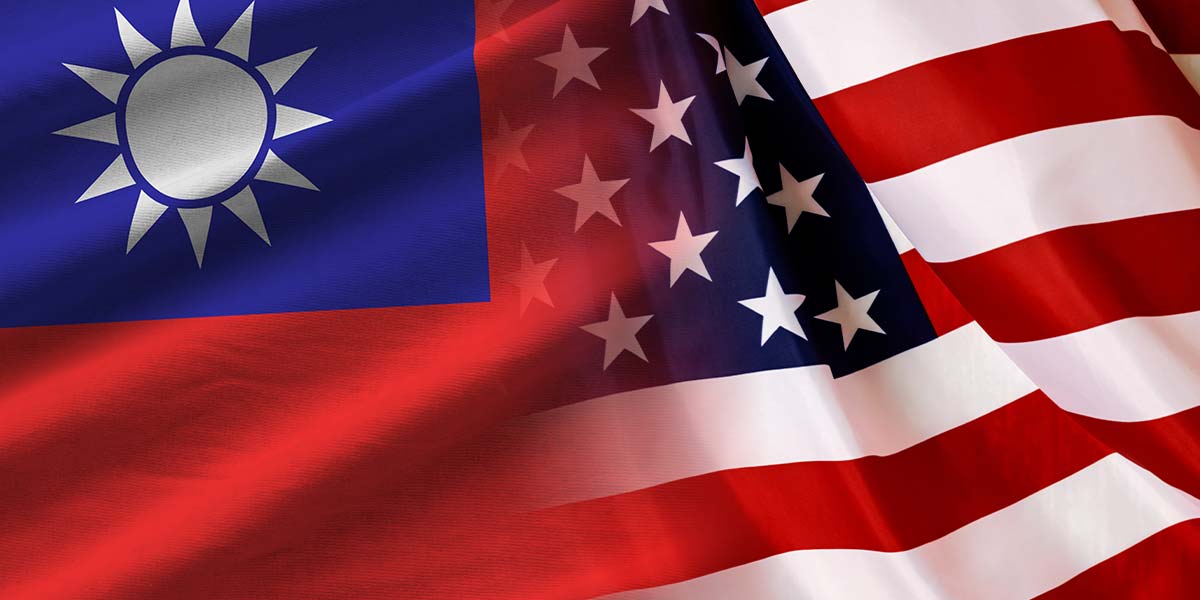
The United States has authorized its largest-ever arms package to Taiwan, amounting to $11.15 billion, as the island faces mounting military pressure from China and intensifying diplomatic friction between Beijing and Tokyo.
The deal, which includes artillery systems, anti-tank missiles, and spare parts for helicopters and anti-ship missiles, falls within the framework of Taiwan’s $40 billion supplementary defense budget announced by President Lai Ching-te in November.
President Lai has pledged to enhance Taiwan’s self-defense capabilities in response to China’s military buildup, vowing to reach a high level of combat readiness by 2027. Lai has warned that China aims to seize control of the self-governed island by the same year, citing Beijing’s recent naval provocations across the Indo-Pacific region.
Amid these rising tensions, Taiwan’s Defense Ministry said on Wednesday that Chinese aircraft carrier Fujian had transited the Taiwan Strait—a move closely monitored by Taiwanese armed forces.
The Chinese foreign ministry, responding to Taiwan’s new defense budget, condemned efforts by Taiwan’s Democratic Progressive Party to resist reunification and pursue independence, stating such plans were fruitless.
Beijing, which has staged repeated military exercises near Taiwan’s coast and issued stern warnings over Taipei’s assertion of independence, views the island as its own territory. Meanwhile, President Xi Jinping has remained firm on “reunifying” the island with the mainland.
Although the U.S. does not have a mutual defense pact with Taiwan and is not obligated to defend the island, the 1979 Taiwan Relations Act stipulates that Washington will provide defense equipment and services necessary for Taiwan’s self-defense.
Tensions have also flared between China and Japan, with Beijing harshly criticizing Japanese Prime Minister Sanae Takaichi’s recent suggestion that any Chinese attempt to take Taiwan by force could prompt Japanese military involvement. China has demanded an apology from Takaichi and advised its citizens to avoid travel to Japan as diplomatic hostilities between the two countries escalate.