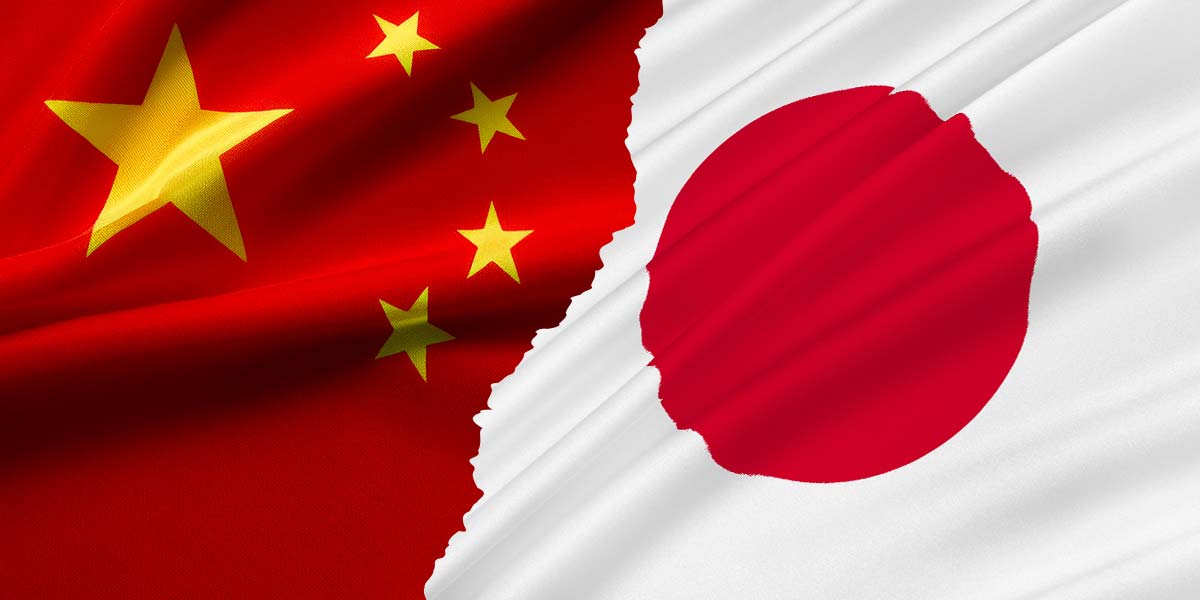
The Chinese Foreign Ministry disclosed on Monday that China will maintain its current diplomatic approach to Japan following the election victory of Japanese Prime Minister Sanae Takaichi’s coalition.
The outcome, which clears the way for Takaichi’s proposed tax reductions and increased defense budget, has attracted close attention from investors due to potential implications for regional stability.
Recent tensions were amplified after Takaichi suggested in November that any Chinese military action against Taiwan could pose an existential threat to Japan, drawing a sharp response from Beijing.
Following the weekend’s elections, Chinese Foreign Ministry spokesperson Lin Jian reiterated China’s call for Takaichi to retract her comments regarding Taiwan during a regular press briefing. Meanwhile, China continues to assert sovereignty over Taiwan, a claim the island’s government does not accept.
In early January, Beijing’s commerce ministry announced that China had banned exports of dual-use items to Japan that could be adapted for military purposes, in response to comments regarding Taiwan made by Japanese Prime Minister Sanae Takaichi in early November.
The ban covers goods, software, and technologies with both civilian and military applications, including certain rare earth elements critical to the manufacture of drones and semiconductors. Exports of these items are now prohibited if destined for Japanese military entities or any purposes contributing to Japan’s defense capabilities, the ministry said.
Japan’s foreign ministry, on the other hand, issued a strong protest, demanding that China reverse the measures. Tokyo described the restrictions as “absolutely unacceptable and deeply regrettable,” asserting that the controls target only Japan and stray “significantly from international practice.”
Additionally, notable countermeasures by China include discouraging Chinese citizens from traveling to Japan, halting imports of Japanese seafood, and canceling bilateral meetings and cultural exchanges.