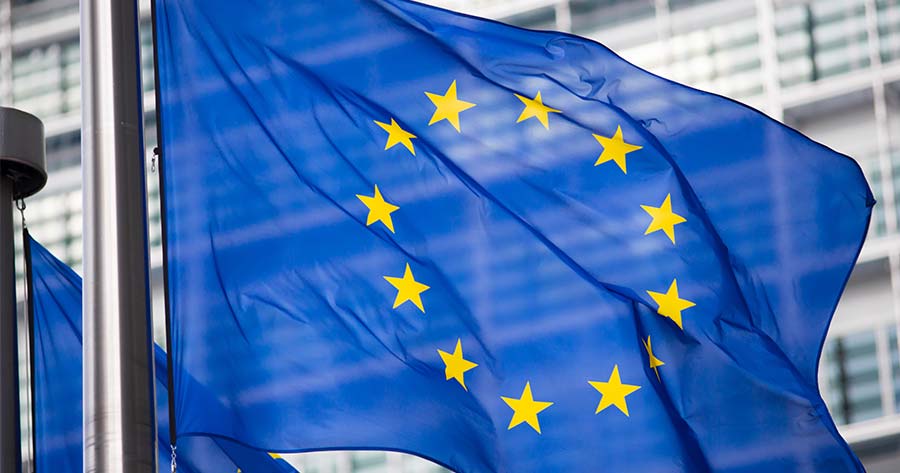
The European Union is considering imposing new tariffs on American products and activating its most severe economic sanctions as a response to the U.S. President Donald Trump’s plan to increase import taxes on several European countries. The potential measures come after Trump linked tariff hikes to demands over U.S. interest in acquiring Greenland, drawing sharp condemnation from European governments.
President Trump announced on Saturday that from February 1, the United States will raise tariffs on imports from Denmark, Sweden, France, Germany, Netherlands, Finland, Britain, and Norway. The action is intended to pressure these nations, all opponents of the US’s proposal to purchase Greenland, into allowing the sale. European leaders have strongly criticized the move, characterizing it as an act of economic coercion.
The targeted countries are already subject to existing U.S. tariffs of 10% and 15%. Additionally, they have deployed small numbers of military personnel to Greenland, underscoring tensions surrounding Denmark’s Arctic territory.
The EU is now reviewing whether to revive a previously prepared set of counter-tariffs, initially designed to cover EUR 93 billion worth of U.S. exports including vehicles, industrial goods, food, and beverages. This package had been suspended following a trade agreement reached last summer, but is now back under consideration due to renewed trade threats.
French President Emmanuel Macron, according to French media reports, is urging other European leaders to prepare the EU’s anti-coercion instrument (ACI) for possible deployment should the new U.S. tariffs be enacted.
The ACI, established primarily in response to prior trade actions by China but not yet utilized, would enable the EU to take broad measures against countries using economic tactics such as tariffs or investment restrictions. These could involve curbing access to public contracts, investments, financial services, and digital trade, areas where the U.S. holds a trade surplus.
While the tariff package appears to have broad backing as an initial reaction, support for implementing the anti-coercion mechanism is less unanimous, with EU officials describing internal opinions as varied.
EU efforts to pursue diplomatic engagement on the dispute are expected to be prominently discussed at the upcoming World Economic Forum in Davos, where President Trump is scheduled to address attendees on Wednesday, marking his first appearance at the event in six years.