France has significantly increased its military presence in the Middle East by deploying the aircraft carrier Charles de Gaulle and accompanying warships to the Mediterranean. The move comes as shipping disruptions in the Strait of Hormuz threaten to destabilize oil and gas supplies, raising market concerns over energy security and supply chain risk.
According to the French presidential office, this deployment represents a shift from diplomatic efforts toward a more active role in securing regional stability. While France maintains that it is not a participant in direct combat operations currently led by other Western nations, officials describe the operation as necessary to maintain open maritime corridors and protect key European economic interests exposed to regional volatility.
France’s decision aligns with its longstanding defense commitments in the Gulf. These agreements, established with Qatar, Kuwait, and the United Arab Emirates, require France to provide military assistance should these partners face threats to their sovereignty or territories. Recent French military deployments in the region include Rafale fighter jets, air defense units, and sophisticated radar equipment, which allow French forces to coordinate closely with local defense systems.
The UAE, in particular, hosts a permanent French naval base, making it a focal point of security cooperation. In line with treaty obligations, France is actively supporting the UAE against ongoing threats from drones and missiles targeting critical infrastructure.
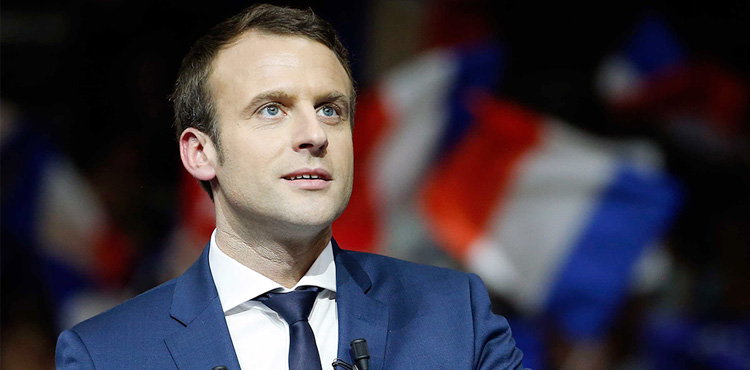
President Emmanuel Macron has stated that France is now spearheading efforts to assemble a new coalition focused on the restoration of shipping lane security. As French forces conduct aerial interceptions and increase operational tempo, the distinction between defensive action and direct engagement is narrowing.