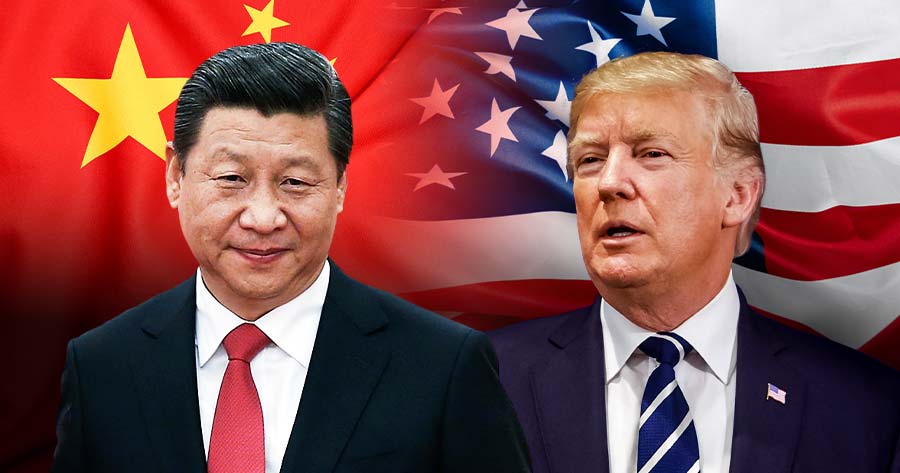
U.S. President Donald Trump is considering delaying his planned visit to China for a month, as continued military engagement with Iran requires his attention at home. The shift underscores how the ongoing war in Iran is reshaping the White House’s foreign policy priorities and timeline for high-level dialogues with Beijing, which are closely watched by global investors.
Treasury Secretary Scott Bessent stated Monday that logistical factors may prompt a delay of the summit between President Trump and Chinese President Xi Jinping, originally scheduled for March 31 to April 2.
The U.S. administration has also been urging China and other nations to contribute to efforts ensuring secure passage for maritime shipping through the Strait of Hormuz, a strategic corridor for global oil supply, amid elevated tensions in the Middle East.
President Trump signaled over the weekend that the summit could be postponed while Washington continues to press Beijing for cooperation on reopening the Strait of Hormuz to international shipping. Secretary Bessent later clarified that any change in scheduling would stem from the President’s need to remain in Washington to manage wartime operations related to Iran, rather than any breakdown in talks.
Efforts to arrange the bilateral meeting are ongoing. On Monday, Bessent held discussions in Paris with Chinese Vice Premier He Lifeng, focusing on trade agreements that could be finalized during the future Trump-Xi summit in Beijing. According to participants, China showed willingness to consider additional imports of U.S. agricultural products—including poultry and beef—as well as discussions over rare earth mineral trade and new frameworks to guide bilateral investment and commerce.
Bessent described the Paris meetings as constructive and urged investors not to overreact to potential changes in the summit timeline. He emphasized that preparatory talks are advancing, with the White House continuing to monitor the situation in Iran as the conflict persists beyond initial expectations.