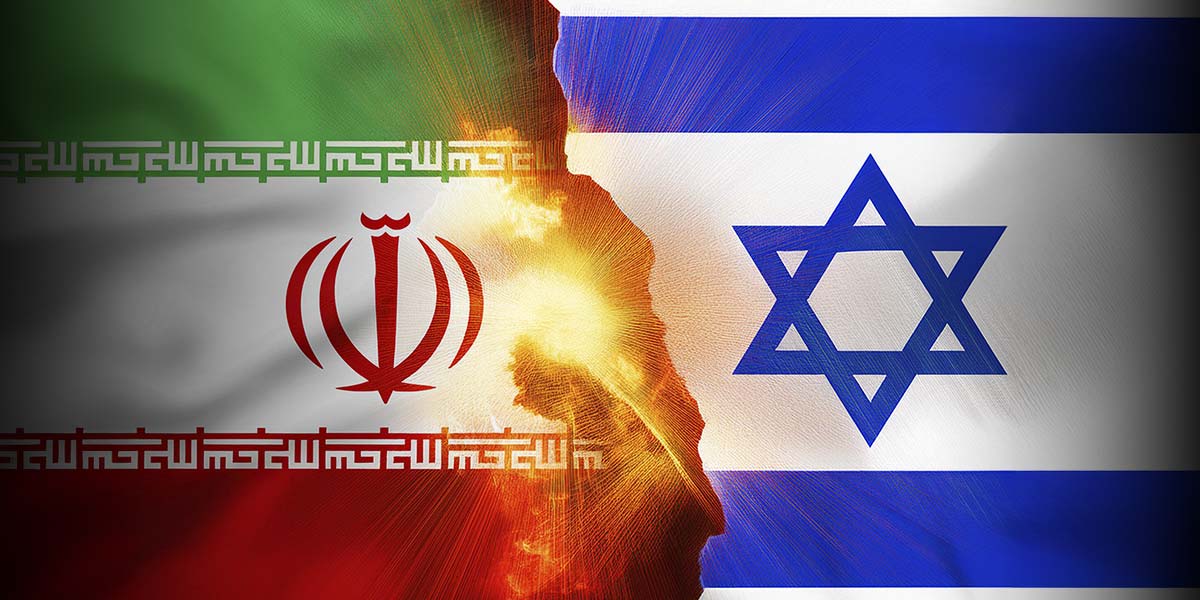
Military operations between Israel and Iran escalated on Friday with each country launching strikes against the other’s capital and vital infrastructure, heightening investor concerns about the global energy outlook.
Israel confirmed it conducted airstrikes in Tehran, focusing its attack on what it labeled as the core infrastructure supporting the Iranian regime. Iranian media reported that the strike followed a coordinated Israeli-U.S. missile operation that killed General Ali Mohammad Naeini, a senior figure and spokesperson for Iran’s Islamic Revolutionary Guard Corps (IRGC). In retaliation, Iran fired a large number of missiles at Tel Aviv, prompting the activation of air defense systems and sirens throughout the city as defense interceptors engaged incoming rockets.
The conflict now includes deliberate attacks on economic assets, with Iran targeting Israel’s Haifa Petrochemical Complex and causing major infrastructure damage. Previously, in a significant escalation, Iran also struck the Ras Laffan Industrial City in Qatar, a center managing roughly 17 percent of the world’s LNG supply. Reports indicate repairs at Ras Laffan are expected to take several years, contributing to Thursday’s surge in energy prices.
Diplomatic tensions grew as Iran warned Western countries against involvement, with Iranian Foreign Minister Abbas Araghchi telling the United Kingdom that allowing the United States use of British bases would be considered active participation in the conflict. Araghchi also criticized the UK government for failing to respond to Israeli attacks on Iran’s South Pars gas facility.