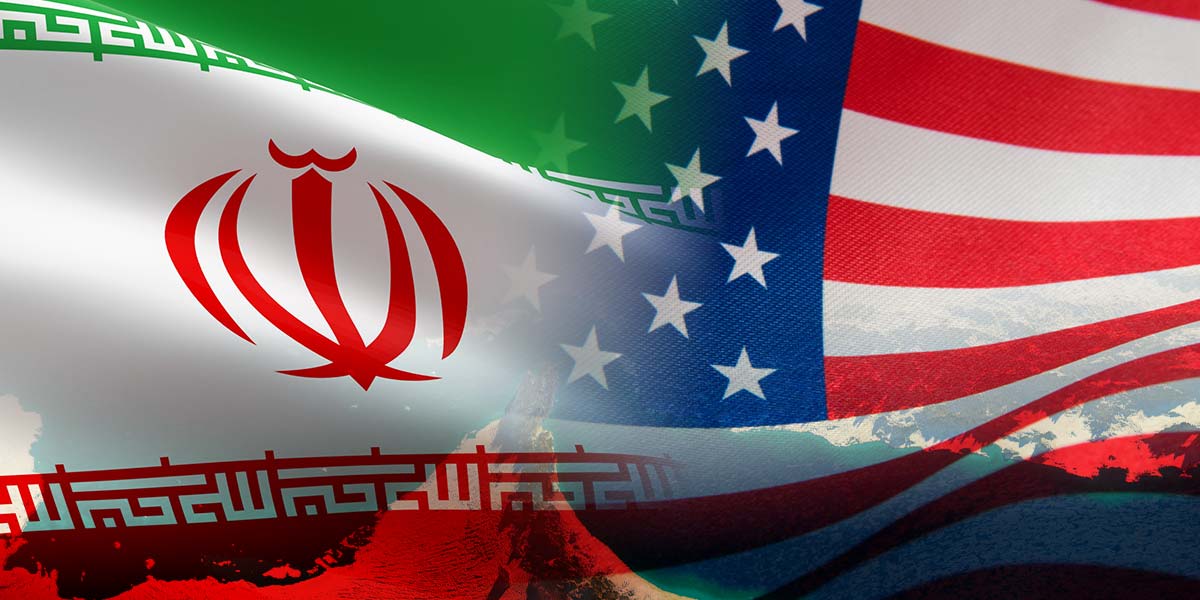
On Sunday, May 10, 2026, Iran delivered its official response to a U.S. proposal aimed at ending the two-month-old regional conflict. The response was relayed through Pakistani mediators, as international pressure mounts to resolve a war that has ignited a global energy crisis.
According to state media, Tehran has responded to the U.S. push for a temporary memorandum of understanding, proposing a permanent cessation of hostilities. The Iranian counter-proposal includes a 10-point plan focusing on sanctions relief, regional reconstruction, and broader stability. Sources familiar with the matter indicate that Iran intends for this phase of negotiations to focus exclusively on ending the war and ensuring safe passage through the Strait of Hormuz, while deferring “intractable disputes”—such as its nuclear programme—to a later stage.
The diplomatic breakthrough comes amid a precarious security situation in the Persian Gulf. While Iran allowed a Qatari LNG tanker to safely transit the Strait on Sunday as a confidence-building measure, authorities warned that vessels from countries following U.S. sanctions would continue to face problems. The Strait is a vital global artery that carried one-fifth of the world’s oil supply prior to the conflict.
U.S. President Donald Trump, who is scheduled to visit China this week, has expressed expectations for a resolution very soon. However, the path to peace remains fraught; a month-old ceasefire has been shaken by recent drone attacks in Kuwait and the UAE, as well as sporadic clashes between Iranian and U.S. naval forces.