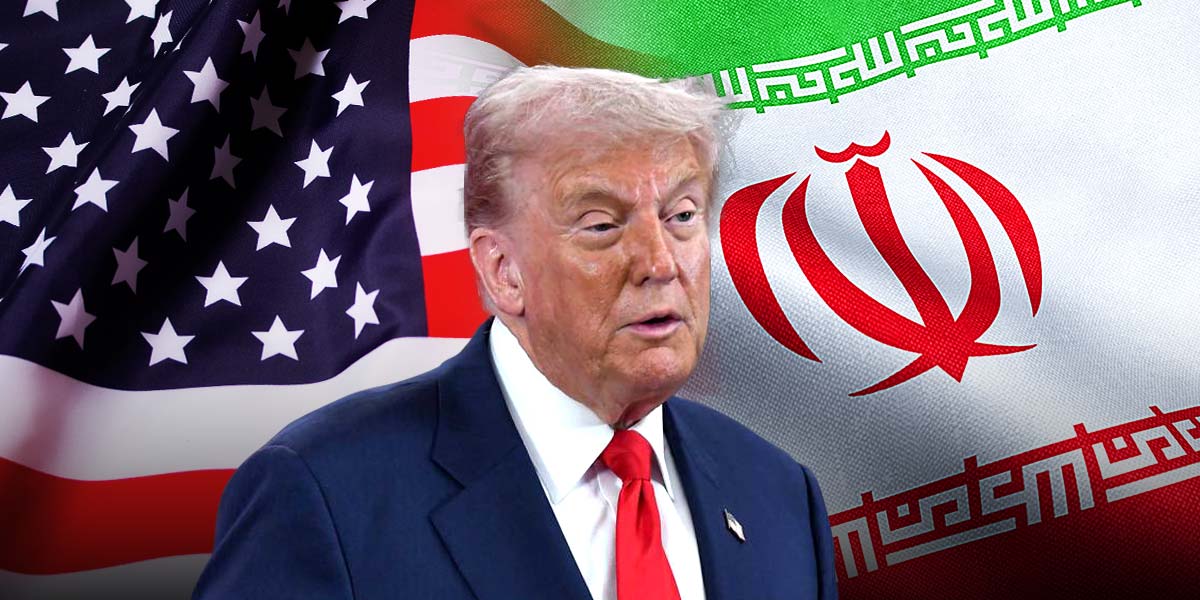
Efforts to negotiate an end to the conflict with Iran have faltered, prompting President Donald Trump to more seriously contemplate renewing large-scale military operations. Persistent disagreements over Iran’s nuclear program and continued tensions over the Strait of Hormuz have heightened White House frustration, sources say.
According to U.S. officials, President Trump remains intent on reaching a negotiated settlement to end the war with Iran, yet recent discussions have failed to produce movement on key issues. Iran’s unwillingness to accept core U.S. demands related to its nuclear activities has reportedly led the administration to reconsider military options.
Multiple sources indicate that President Trump has become increasingly impatient following Iran’s latest response, which he views as wholly inadequate. There is concern within the administration about ongoing closures in the Strait of Hormuz and perceived internal divisions among Iranian leaders that hamper diplomatic progress.
On Monday, President Trump convened his national security advisers to review strategies going forward after this weekend’s talks ended without resolution. Among the options under consideration are renewing operations designed to escort ships through the Strait—known as “Project Freedom”—and launching additional airstrikes on Iranian targets previously identified but not yet attacked.
The perspectives among Trump’s advisers vary, with some advocating a tougher military stance to pressure Tehran, while others continue to support diplomatic engagement. The Pentagon reportedly favors limited strikes aimed at undermining Iran’s negotiating position, while other officials caution against abandoning talks and advocate for continued diplomacy.
President Trump told reporters earlier in the day that his main objective remains preventing Iran from acquiring a nuclear weapon. He said Iran had initially agreed to transfer its enriched uranium stockpile to the U.S., but recent communications from Tehran did not reiterate this commitment.
Concerns have also arisen within the administration about the effectiveness of Pakistani mediation attempts. Some officials question whether Pakistani intermediaries accurately represent U.S. concerns to Iranian leaders or whether they present an overly optimistic view of Iranian intentions in their briefings.
In addition, Israeli authorities have reportedly pressed Trump to approve a Special Forces mission to secure Iran’s enriched uranium, though the president has so far been reluctant due to the risks involved.
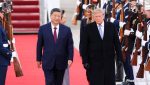
The president is not expected to finalize a new approach before leaving for China on Tuesday. While in Beijing, Trump plans to speak with President Xi Jinping about the Iran conflict. Chinese officials have repeatedly called for Iran to reach an agreement with the U.S. to end hostilities and constrain its nuclear program, efforts that have so far seen limited progress.