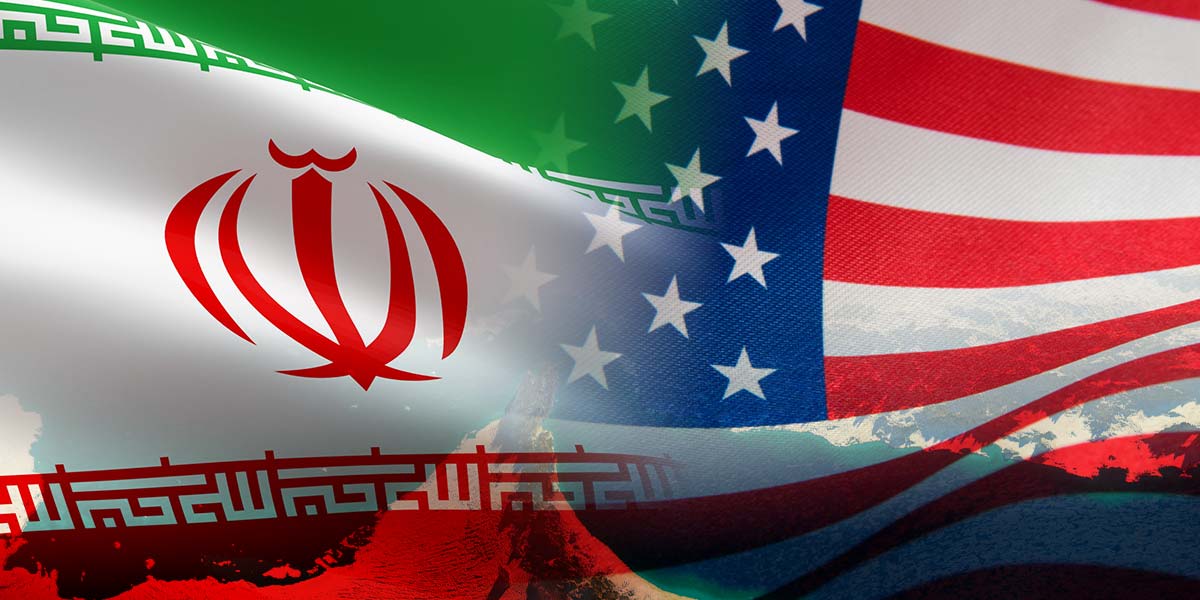
Scheduled negotiations in Switzerland between U.S. and Iranian representatives on a potential Middle East peace agreement have been postponed after U.S. Vice President JD Vance cancelled plans to travel to Geneva, introducing more doubts over prospects for a durable ceasefire.
Switzerland’s foreign ministry confirmed that the meeting at Burgenstock would not proceed as planned but withheld further information.
Iranian officials did not immediately respond to the postponement, as the nation’s state media previously disclosed that their negotiating team would only attend if the U.S. demonstrated initial steps to implement the interim agreement. As of Thursday, there was no confirmation of the Iranian delegation’s travel plans.
Iran had earlier expressed readiness to begin technical discussions after both sides signed a 14-point agreement on Wednesday, which had prolonged a fragile ceasefire by two months. Although American officials had discussed a formal signing ceremony for the accord in Switzerland, Iran’s foreign ministry questioned whether the presidents’ signatures on the document were necessary.
Concurrently, Israel, excluded from the U.S.-Iran negotiations, has criticized the agreement and continued its military operations against Hezbollah forces in Lebanon. This ongoing violence has further fueled uncertainty over the sustainability of the newly signed accord.
According to the Lebanese National News Agency, Israel’s latest military operations in the Nabatieh district of southern Lebanon resulted in at least 15 fatalities. Several people were also reported injured or unaccounted for following a series of air strikes and artillery attacks.
Despite previously pledging that any settlement would require Iran’s “unconditional surrender,” Trump ultimately agreed to terms that include easing economic sanctions, unfreezing Iranian assets worth tens of billions of dollars, and granting immediate waivers on Iranian oil exports.
Ayatollah Mojtaba Khamenei, Iran’s Supreme Leader, characterized Trump’s approval of the agreement as an act of desperation and indicated that any forthcoming discussions regarding Iran’s nuclear program—one of Trump’s stated justifications for starting the war—are likely to be contentious, insisting that Iran would not accept “excessive demands” from the U.S.
As of 1:41 PM (Bangkok time) on Friday, Brent crude futures rose by 0.58% to $80.31 per barrel, while the WTI increased 1.01% to $77.37 per barrel.