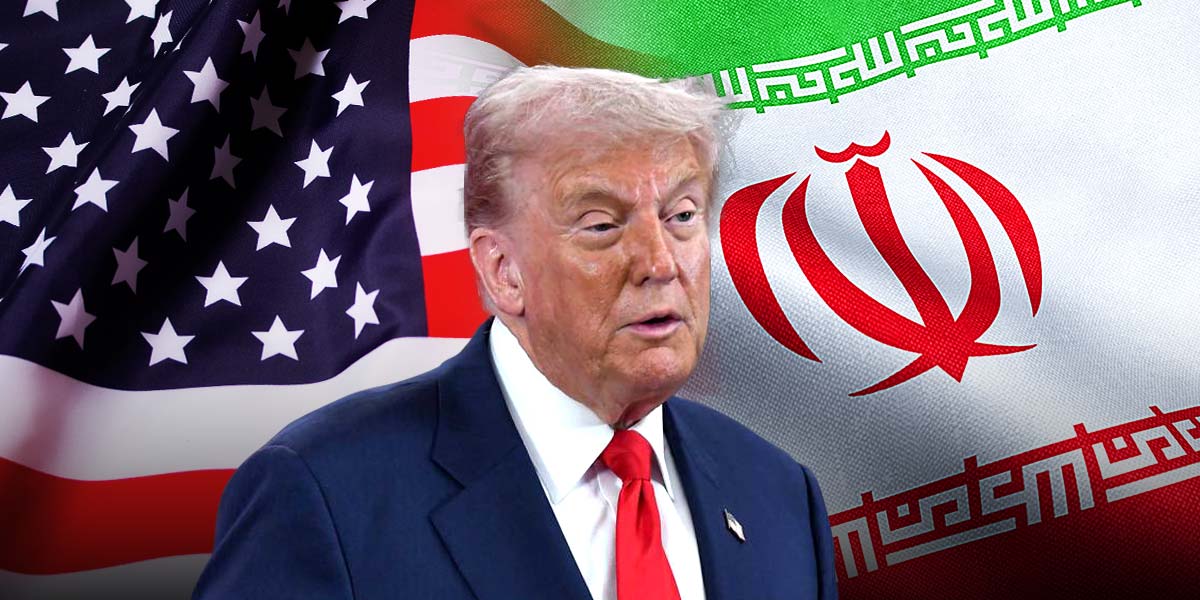
President Donald Trump has placed a temporary halt on intensifying military operations against Iran following warnings from defense officials about insufficient missile inventories, according to several sources. The suspension aims to preserve the United States’ defensive capabilities in the Middle East while avoiding a total regional conflict.
The decision to scale back was reached during a Friday assembly of top-tier military and Cabinet advisers. General Dan Caine, who leads the Joint Chiefs of Staff, indicated that while the U.S. remains capable of executing major strikes, doing so would exhaust the Patriot interceptors required to shield American personnel stationed in countries like Kuwait and Bahrain. Estimates show the military has already expended upwards of 1,200 of these high-cost munitions, which are valued at approximately $4 million each.
Administration officials also expressed concern that a significant bombardment could result in a humanitarian crisis or a global energy shock. Potential targets for the proposed offensive included Iranian radar installations, nuclear facilities, and logistics hubs used for transporting military hardware. However, some strategic analysts within the government questioned the efficacy of such strikes, arguing they might strengthen the Iranian regime’s domestic unity rather than compelling them to the bargaining table.
This strategic shift occurs as the U.S. recovers from a recent drone and missile strike in Jordan that claimed the lives of three soldiers after an Iranian projectile bypassed defensive measures. While forces and weaponry have recently been positioned for a possible surge, the President is now being advised to prioritize a naval blockade and financial pressure over direct kinetic action.