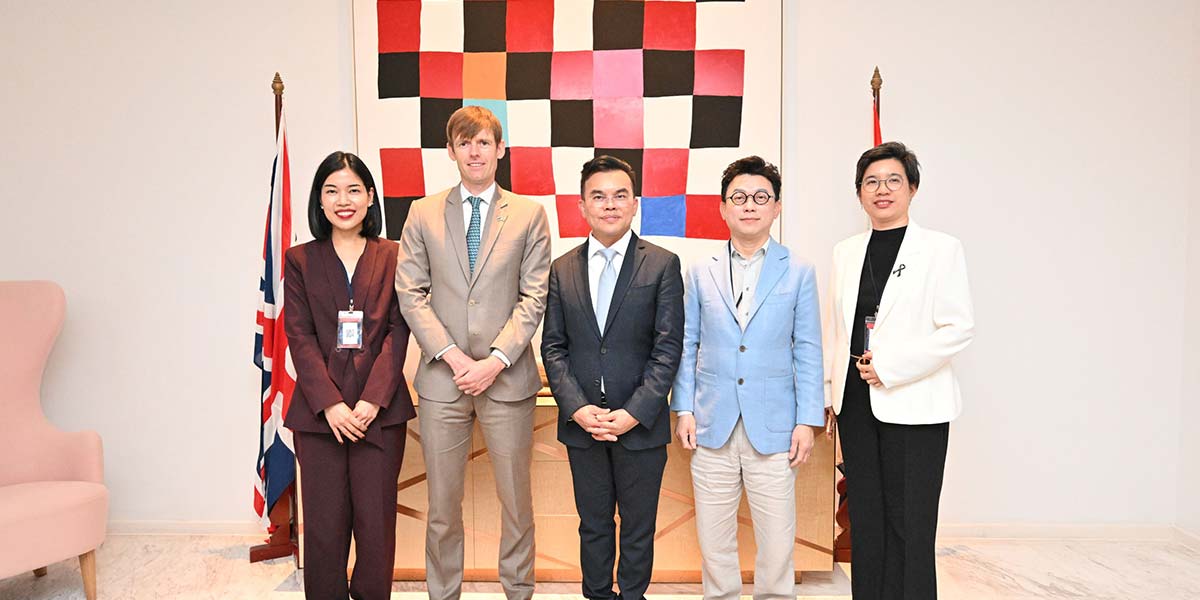
The United Kingdom and Thailand reinforced their strategic partnership in genomics and precision medicine at the UK–Thailand Next-Gen Health Conference, hosted by the Department for Business and Trade (DBT) and the British Embassy Bangkok at His Majesty’s Ambassador’s Residence.
Dr. Sarawut Boonsuk, Director-General of the Department of Medical Sciences, Ministry of Public Health, opened the conference with policy reflections on Thailand’s vision for advancing genomics, medical sciences, and precision public health. In his keynote address, Dr. Sarawut highlighted Thailand’s commitment to strengthening genomic infrastructure, expanding precision medicine, and harnessing data and innovation to deliver more predictive, personalised, and equitable healthcare. He underscored the importance of international collaboration under the Thailand–UK Genomics Memorandum of Understanding, signed in 2023, as a catalyst for research partnerships, technology transfer, and industry development.
“Our collaboration with the UK is about delivery—moving genomics from the lab to life so patients benefit sooner. Working with partners across the public and private sectors, at home and abroad, our policy will scale whole‑genome sequencing and pharmacogenomics within secure data frameworks to improve outcomes, reduce inequities, strengthen health security, and grow the health economy—so people across Thailand live healthier lives,” said Dr. Sarawut.
Providing a high-level platform to advance this shared agenda, the conference brought together senior representatives from the Ministry of Public Health, the Health Systems Research Institute, leading hospitals including Chulalongkorn and Siriraj, research institutions, regulators, and private-sector partners. The event showcased how UK–Thailand collaboration is moving from policy dialogue to practical delivery.

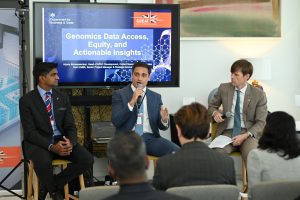
In his welcome remarks, Ben Morley, Commercial Counsellor and DBT Thailand Country Director, emphasised the UK and Thailand’s “powerful common vision—to build healthcare systems that are more predictive, personalised, and equitable.”
The programme featured six UK organisations at the forefront of next-generation health innovation: AstraZeneca, GSK, Randox, Lifebit, Oxford Nanopore Technologies, and RoslinCT. Discussions focused on genomics data access, precision oncology, cell and gene therapies, and integrating advanced sequencing technologies into hospital systems.
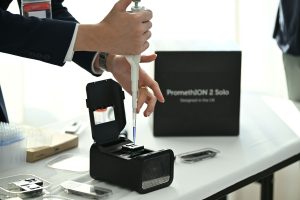
A live technical workshop provided hands-on demonstrations of whole-genome sequencing (WGS), pharmacogenomics (PGx), and secure research data platforms, illustrating how UK innovation can support Thailand’s ambitions in precision public health.
Healthcare is identified as a priority sector under the UK–Thailand Enhanced Trade Partnership (ETP), which includes efforts to streamline regulatory processes and deepen cooperation in medical innovation. This work is further supported by the UK–Thailand Strategic Partnership Roadmap and the ASEAN–UK Health Security Partnership (2025–2029).
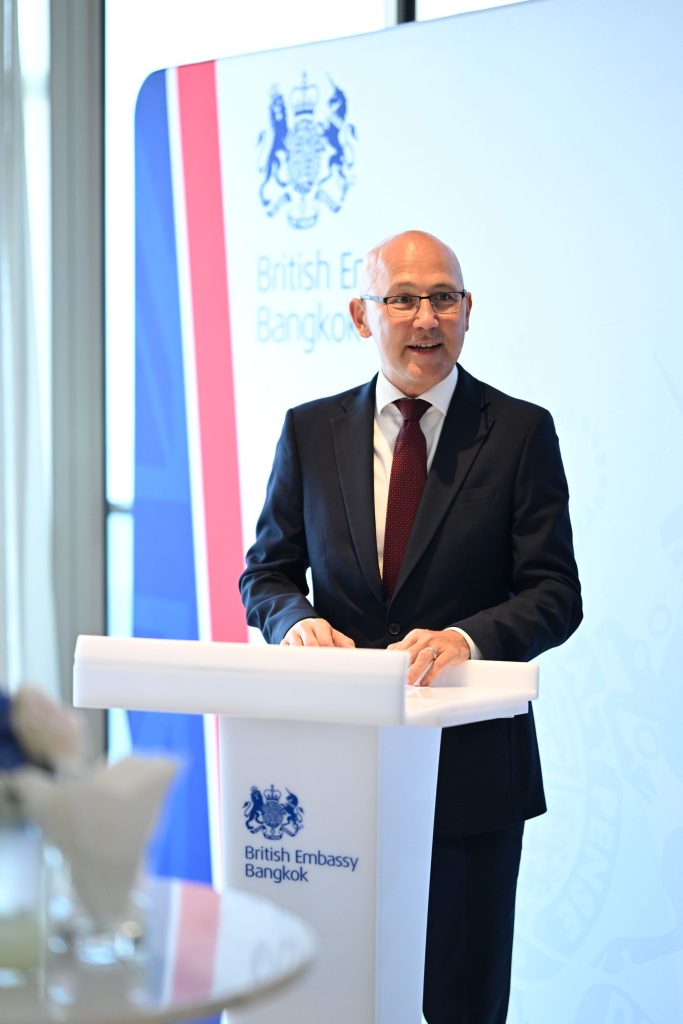
Speaking at the evening networking reception, British Ambassador Mark Gooding OBE stated “As we look ahead, the opportunities for collaboration are substantial—in joint research, clinical partnerships, technology transfer, capacity building, or public-private cooperation. The UK Government stands ready to support turning these opportunities into real-world progress.”
The conference marks a significant step in operationalising the Thailand–UK Genomics MOU—strengthening research collaboration, promoting public–private partnerships, and supporting Thailand’s position as a regional hub for next-generation healthcare technologies.