Crude oil exports surged through the Strait of Hormuz today, with approximately 4 million barrels successfully making the passage—a figure not seen since the first day of the Third Gulf War, according to sources monitoring tanker movements. This latest volume marks the largest single-day outflow since the conflict reignited concerns over the region’s energy chokepoints.
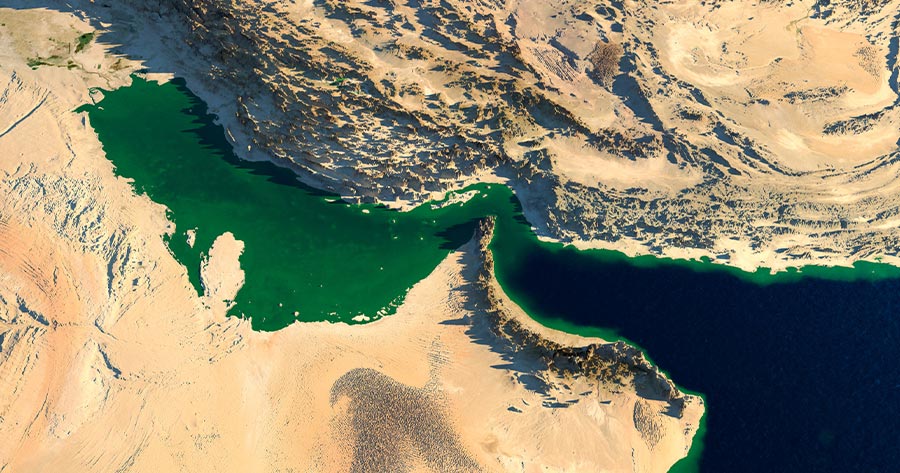
Significantly, three tankers—two supertankers carrying crude and one LNG carrier—are currently maneuvering through a new, unconventional route. Rather than using the standard northern lanes that pass between Iran’s islands and require Iranian oversight and often hefty fees, these ships are instead hugging Oman’s coastline at the bottom of the chokepoint. As reported by maritime trackers, all three vessels have broadcast Omani ownership and switched off their tracking signals as they neared Oman’s strategic Mussandam Peninsula, effectively going dark.
This southern detour, bypassing Iranian waters entirely, presents a potentially game-changing “second crack” in the Iranian blockade, industry observers note. If successful, the route would undermine Iran’s efforts to serve as the “tollbooth” for global oil flows out of the Gulf, positioning Oman as a critical “back door” for exports during the ongoing conflict.
In a related development, Saudi Arabia has rapidly adjusted its oil export logistics in the face of the partial Strait of Hormuz blockade. Shipments from Yanbu, a Red Sea port, have soared to an estimated 5 million barrels per day—double the flow reported just a fortnight ago. This dramatic increase coincides with the East-West pipeline, which spans 746 miles across the Kingdom, now operating at full capacity of roughly 7 million barrels per day.
Of the total output, approximately 5 million barrels per day are now exported via Yanbu, while 2 million barrels per day are refined domestically. According to data from Saudi energy officials, this marked uptick in Yanbu exports has compensated for about 45% of the oil lost from traditional Persian Gulf shipping routes this month.
For context, Yanbu’s pre-war export levels hovered around just 1 million barrels per day in January and February 2026, making the current surge both unprecedented and critical to global energy markets. Saudi Arabia’s determined push to identify and expand alternative supply routes underscores the region’s pivotal role as the world continues to navigate the geopolitical fallout from the ongoing conflict.