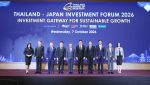
Pimjai Leeissaranukul, Chairperson of the Federation of Thai Industries (FTI), revealed an overview of the Thai industrial sectors trend during the second quarter of 2026.
She observed that many industries continue to expand, supported by export markets, strong domestic demand, and government policy incentives. However, some industries are still facing challenges such as rising production costs, shortages of raw materials, competition from imported products, and a slowdown in purchasing power.
The industrial outlook for 2Q26 can be categorized into two main groups: industries with a positive growth outlook and industries impacted by risk factors.
Industries with growth prospects are supported by three main factors:
1. Expansion in overseas markets, positively affecting industries with export potential, such as electrical and electronics, air conditioners, food and beverages, and rubber products. These benefit from increasing global orders and demand.
2. Strong domestic demand drives growth in sectors including cosmetics, pharmaceuticals, medical devices, and palm oil, due to changing consumer behavior and rising domestic consumption.
3. Government policy support is a key driver for new target industries, including electric vehicles (EVs), machinery and automation, biotechnology, renewable energy and environmental management, and the digital industry, particularly data centers. These represent the industries of the future with long-term growth opportunities.
However, several industrial groups face pressure from external and cost-related factors:
1. Industries affected by high production costs include cement, steel, aluminum, ceramics, roofing materials, and glass, pressured by high energy, raw materials, and logistics costs.
2. Industries affected by raw material shortages include plastics, chemicals (fertilizer), printing, and packaging.
3.Industries facing competition from cheap imports include textiles, garments, leather products, shoes, and furniture, all pressured by price competition from imported goods.
4. Industries affected by weak purchasing power and a sluggish tourism sector include gems and jewelry, and creative handicrafts, as consumer spending and tourist numbers are crucial for recovery.
Pimjai outlined five key factors supporting Thailand’s industrial sector going forward:
- Continued growth of investment incentives from the Board of Investment (BOI).
- Robust export levels.
- Economic stimulus measures under the 400-billion-baht emergency loan decree.
- Additional relief measures such as LTV easing and the Quick Big Win policies to help SMEs access credit.
- Thailand’s stable credit outlook.
Nevertheless, risk factors warrant close monitoring, including:
- Ongoing conflict in the Middle East.
- Rising inflation trends.
- Expansion of imported goods.
- Labor shortages in construction, manufacturing, and agriculture.
- Concerns over a potential super El Niño event in mid-2026.
The Thai industrial sector still has growth opportunities in many areas, especially those linked to the global market, technology, and the green economy. Nonetheless, businesses must adapt to cost, supply chain, and competition risk factors to maintain long-term competitiveness, said Pimjai.