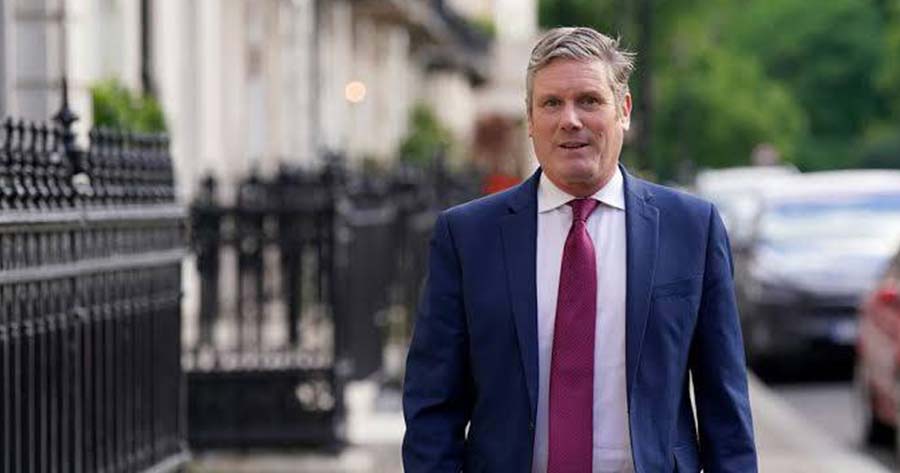
Prime Minister Keir Starmer has announced he will step down as leader of the United Kingdom’s Labour Party and as prime minister, but will continue in a caretaker role until a successor is chosen. His decision follows prolonged unrest within the party and heightened calls for new leadership after a significant defeat in a recent special parliamentary election.
Starmer took office in July 2024 after leading Labour to a sweeping electoral victory. However, both his standing and Labour’s popularity have since diminished, with lawmakers and voters increasingly dissatisfied due to unmet promises on economic growth, public services, and the cost of living.
The tipping point came after Andy Burnham, who previously served as mayor of Greater Manchester, returned to Parliament with a decisive win over Reform UK’s candidate. Burnham’s victory bolstered his position as a frontrunner to succeed Starmer and gave Labour members renewed hope for reversing the party’s declining fortunes.
Key grievances against Starmer included controversial decisions, such as appointing Peter Mandelson as ambassador to the U.S.—a move criticized due to Mandelson’s connections to Jeffrey Epstein. The Labour Party has also experienced defections to the Green Party among liberal voters, while the anti-immigration Reform UK continues to lead in national polls.
Britain currently faces high government borrowing costs and slow economic growth, limiting the ability of any incoming prime minister to enact sweeping reforms.
The process to select Labour’s new leader will commence with nominations opening on July 9, and a new leader is expected to be in place before Parliament reconvenes in September. Meanwhile, Burnham has yet to outline detailed positions on foreign policy or economic strategy.