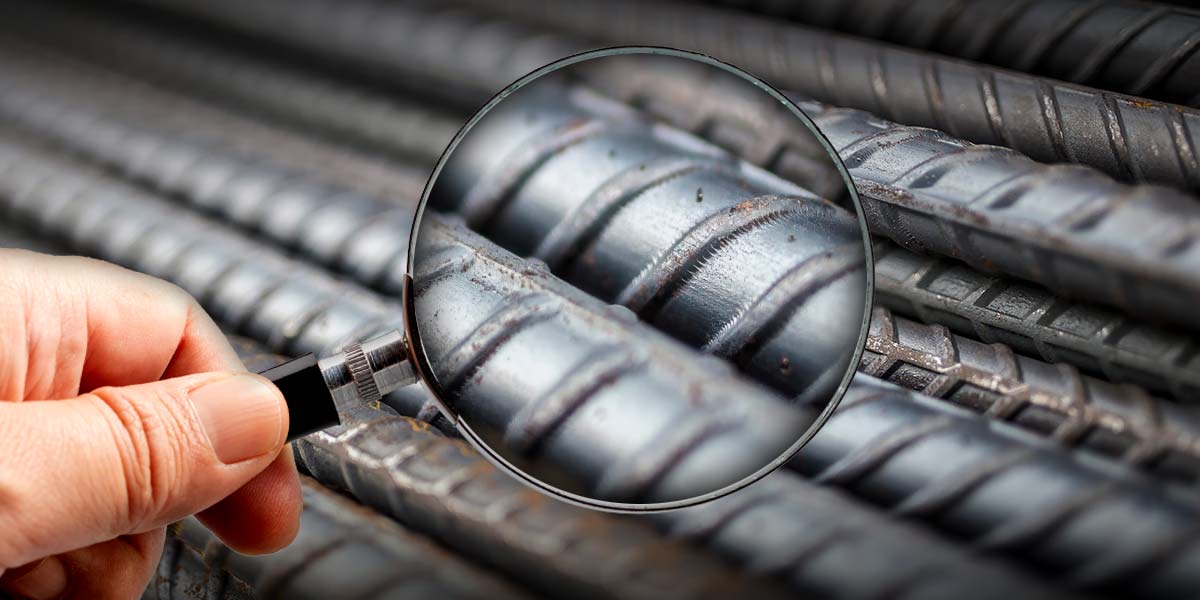
Public safety concerns have resurfaced after the ASEAN Iron & Steel Council (AISC) recommended a critical reassessment of steel produced via induction furnace technology for use in construction. The move follows increased scrutiny of steel production methods in the wake of the recent Mindanao earthquake.
Experts have indicated that while induction furnace (IF) technology is suitable for producing machine parts, it may not be appropriate for manufacturing construction steel. IF technology offers a cost advantage over traditional blast furnace/basic oxygen furnace (BF/BOF) methods because of its reduced metallic purity requirements, but concerns persist about its reliability in structural applications.
Following the Mindanao earthquake, industry representatives point to research by the Philippine Iron and Steel Institute showing that a significant majority of substandard steel in the country—over 91 percent—is linked to induction furnace production. These findings cite enhanced risks when IF steel is used in buildings and public infrastructure.
International attention on the issue has long-been in the spotlight after China banned the use of IF steel in construction in 2017. Reports following the Sichuan Province earthquakes, which resulted in significant casualties, highlighted the presence of induction furnace steel in collapsed structures. The Chinese government subsequently ordered the closure of over 100 million tons of IF steel capacity, prompting some production facilities to relocate to neighboring countries, including Thailand.
In response to ongoing debates, the AISC has submitted a technical study analyzing various steelmaking processes. The study compared IF, BF, and BOF methods, noting that steel produced by induction furnaces generally exhibits higher levels of non-metallic inclusions, according to the K4 cleanliness index, than steel made using traditional global processes. Despite this, the study noted that IF steel can still meet current national chemical composition criteria.
The technical paper also highlighted that existing regulatory standards across Southeast Asia, developed before the widespread use of induction furnaces for reinforcing bar production, primarily evaluate tensile strength, yield strength, and chemical composition. These frameworks frequently omit cleanliness testing, which may be necessary to distinguish between steel made using different technologies.
The AISC paper recommends that rather than imposing immediate prohibitions, governments should prioritize scientific reviews of existing steel standards. The council suggests additional quality assessments—including cleanliness testing—could be adopted and calls for an evaluation of whether induction furnace steel should continue to be approved for structural roles or be regulated to non-critical applications.