Official figures show the United Kingdom’s economy experienced a slight uptick in May, following a contraction the previous month. Data released by the Office for National Statistics (ONS) indicated a 0.1% increase in gross domestic product during the period, with growth primarily attributed to the service sector.
According to ONS, service-related activities expanded by 0.3% in May. This improvement, however, was tempered by declines seen in other areas. Production, including manufacturing, dropped by 0.5%, while construction output fell by 0.8%. Scientific research stood out as the leading driver of growth, recording a 5.1% monthly increase.
The economy’s overall gain in May followed a minor downturn in April, which officials described as a result of international instability from the U.S.-Israel conflict with Iran impacting UK businesses. Across the three months ending in May, the economy advanced by 0.7% compared with the preceding three months.
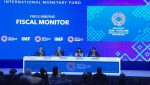
On the international front, the International Monetary Fund recently upgraded its projection for the UK’s annual GDP growth, lifting its forecast to 1%, up from 0.8% in April.
The current period marks the end of Rachel Reeves’ tenure as chancellor, with a new cabinet expected to be selected by Prime Minister-in-waiting Andy Burnham. Reeves is expected to see the positive economic results as validation for her policies. However, volatility remains, with renewed hostilities in the Middle East contributing to fresh increases in oil prices, presenting ongoing economic challenges for the incoming administration.
A Treasury spokesperson commented that the UK’s economic strategy had delivered stronger performance compared to two years ago, highlighted by the fastest growth among G7 nations in the first quarter and a restoration of stability recognized by the OECD.