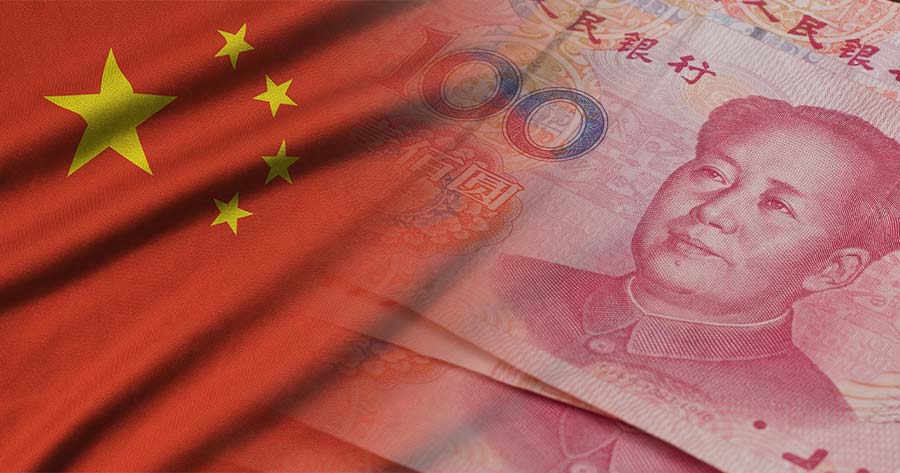
China’s economy expanded by 4.3% in the second quarter of 2026, falling short of market forecasts and highlighting persistent issues with weak domestic demand and economic imbalances, data from the National Bureau of Statistics (NBS) showed. The growth rate lagged behind Beijing’s annual target and marked the slowest pace since late 2022.
The reported second-quarter GDP growth was below the government’s annual target range of 4.5% to 5%, which is the lowest target set in decades. The slower pace comes amid ongoing trade disputes, particularly with the United States and the European Union, and underlines challenges facing the domestic economy.
Compared to the previous quarter’s 1.3% quarter-on-quarter expansion, China’s GDP increased by 0.9% QoQ between April and June, consistent with analyst expectations. The slower second-quarter growth, following a 5% increase during the first three months of the year, brought China’s overall first-half growth to 4.7%.
Industrial output recorded a 5.3% year-on-year rise in June, exceeding projections and strengthening from the previous month. This manufacturing growth has been supported by rising exports related to artificial intelligence. However, domestic spending and investment have struggled, pressured by a prolonged downturn in the property sector and lingering effects from a global oil prices shock.
Retail sales, seen as a primary indicator of consumer activity, grew by 1% in June from a year earlier, surpassing forecasts and rebounding from a 0.6% annual decline in May, which had been the first such drop since COVID-19 restrictions ended in late 2022.
Fixed-asset investment in urban areas, which includes spending on real estate and infrastructure, dropped 5.7% during the first half of the year from the same period in 2025—faring worse than analysts had anticipated and deepening the decline seen from January through May. The property market remained subdued, with investment in real estate down 18% in the first six months of the year compared to one year earlier.
June’s urban unemployment rate stood at 5%. The government is aiming to keep the jobless rate below 5.5% over the next five years.
Premier Li Qiang emphasized the importance of a balanced and thorough assessment of the nation’s economic situation and called for enhanced counter-cyclical measures, as reported by state broadcaster CCTV.
Meanwhile, Sheng Laiyun, former deputy head of the NBS, noted the disparity between official statistics and the public’s day-to-day experiences at a forum last week. Sheng urged for additional policy action in the second half of the year, with an emphasis on investment, consumer activity, and reforming income distribution.