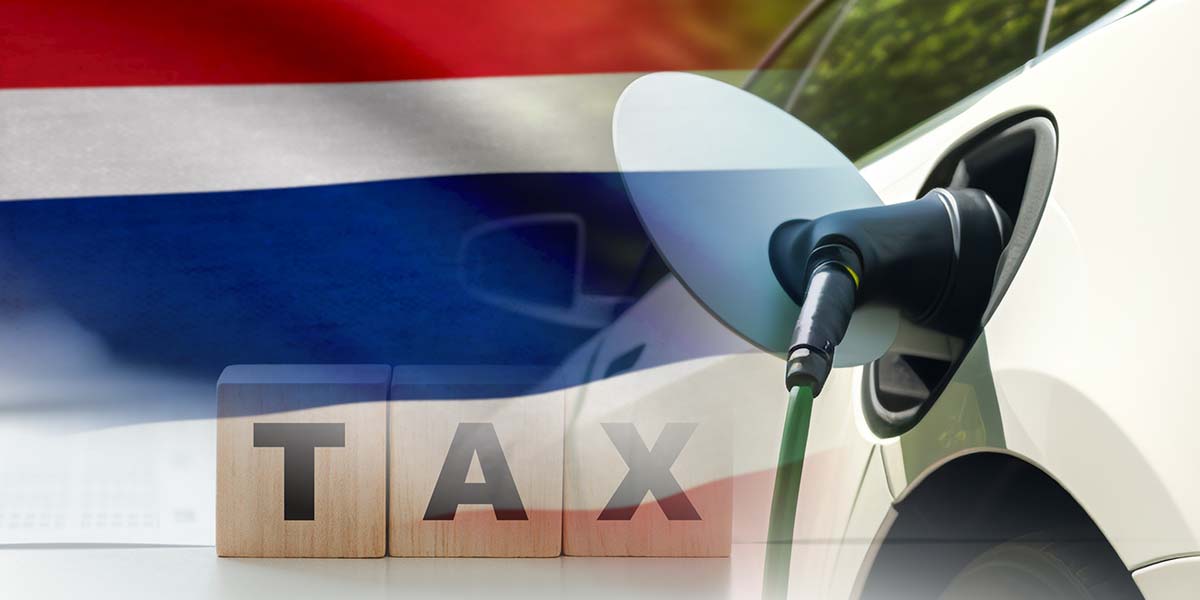
Thailand’s Ministry of Finance is advancing efforts to restructure the automotive excise tax, aiming to promote local manufacturing and enhance fairness for automakers investing in Thailand.
Dr. Ekniti Nitithanprapas, Deputy Prime Minister and Minister of Finance, has instructed the Excise Department to promptly review and adjust the existing tax structure, as current customs regulations provide certain imported vehicles preferential tax benefits under Free Trade Agreements (FTA). This disparity, according to Ekniti, poses obstacles to the sustainable development of Thailand’s automotive sector by disadvantaging local manufacturers.
The planned tax reform will cover electric vehicles (EV), internal combustion engine vehicles (ICE), and hybrid electric vehicles (HEV) produced domestically. The government believes that a comprehensive, fair tax framework will incentivize global carmakers to utilize local production facilities and generate more employment. Battery tax issues remain under review with final guidelines to be announced later.
Lavaron Sangsnit, Permanent Secretary of the Ministry of Finance, indicated that the electric vehicle transition program’s main frameworks have been finalized. Attention is now turning to fine details, with a goal to submit final proposals by September 2026 for project implementation in the subsequent year. The support measures for EVs will encompass more than just financial incentives; tailored mechanisms are being designed for vehicles like taxis, buses, and trucks, reflecting their distinct needs.
Parallel to tax reforms, the government is pushing for ministries to accelerate clean energy projects eligible for loans under the Emergency Loan Decree, which allocates up to THB 400 billion. The deadline for ministries to submit projects is set for the end of September 2026, with approved projects required to draw funds and complete implementation by December 2027.
AIRA Securities highlighted that the Finance Ministry is considering a significant increase in excise tax rates for completely built-up (CBU) imported EVs. This is expected to push carmakers, especially from China, to establish local manufacturing bases. If the excise tax on imported EVs rises to 32%, retail prices could jump 25 – 30%, weakening the competitiveness of import-heavy brands.
While beneficial for current local manufacturers and industrial estate developers, this move could generate negative sentiment towards hire purchase lenders like TISCO and KKP, due to heightened risks from potential non-performing loans and declining collateral values for imported EV brands.