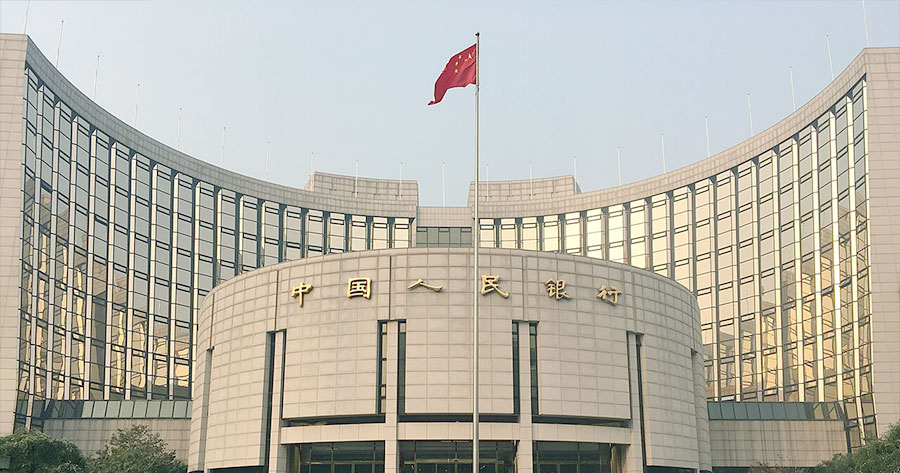
China’s key lending rates remained steady for March, as authorities opted to keep the one-year loan prime rate at 3.0% and the five-year rate at 3.5%. This marks the tenth consecutive month without changes and aligns with market expectations.
The decision occurs as rising global oil prices and tensions in the Middle East raise concerns over inflation. These developments, paired with Beijing’s slightly reduced GDP growth target for 2026—now set between 4.5% and 5%—have led market participants to anticipate a delay in further monetary easing.
The new growth objective reflects a decline from the previous year’s 5% target, which observers say lessens the impetus for immediate fiscal or monetary stimulus.
Recent economic data indicate that China’s economy showed signs of recovery at the beginning of the year, with upticks noted in industrial production, retail activity, and investment during the combined January and February period.
Internationally, policy stances among major central banks, including the Federal Reserve, Bank of Canada, Bank of England, and European Central Bank, remained unchanged this week. Central bankers indicated readiness to respond to any inflation risks, particularly amid heightened geopolitical tensions affecting energy supply chains.
Market analysts have adjusted their outlook for potential policy changes in China. Citi has now moved its expectation for a possible rate or reserve requirement ratio cut to the second quarter of 2026 or later, noting that China’s exposure to Middle East risks is primarily through prices rather than direct economic impact.
Meanwhile, Nomura has postponed its forecast for a reduction in policy rates to the fourth quarter, citing the need to closely watch inflation trends through the middle of 2026 before making further adjustments to its projections.