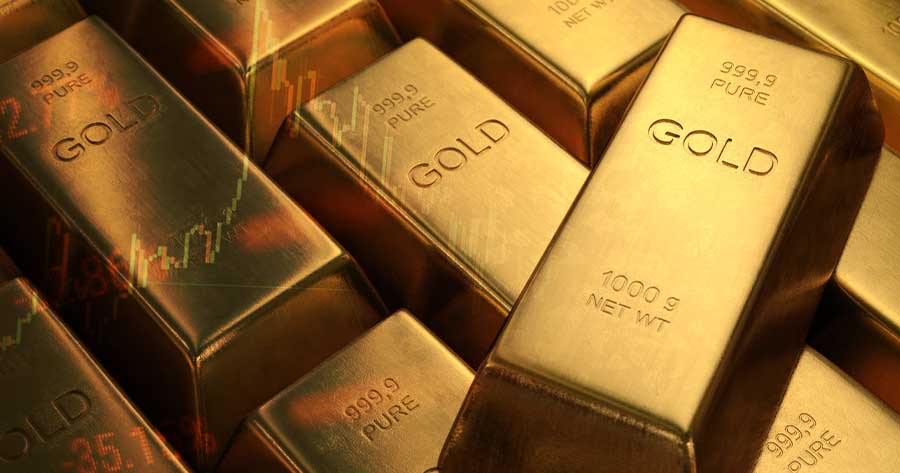
The People’s Bank of China (PBOC) expanded its gold holdings by 480,000 troy ounces in June, according to official data, extending an almost two-year streak of uninterrupted monthly acquisitions. This latest purchase, the largest since October 2023, pushes the bank’s total reserves to 75.44 million ounces.
The move signals a continued focus on diversifying reserves, even as gold prices experienced their steepest monthly drop since 2008, falling 12% in June and dropping below $4,000 an ounce.
Notably, the price of the precious metal currently hovers around $4,100 amid uncertainty in the Middle East, global inflation risks, and potential interest rate hikes by the U.S. Federal Reserve. These developments have weighed on gold, a non-yielding asset. In response, several major banks—including Goldman Sachs and Deutsche Bank—have revised their forecast for gold prices downward for year-end 2026.
Despite the price weakness, data from the World Gold Council’s June survey shows that a record number of central banks intend to increase their gold reserves over the next year, underscoring ongoing official support for the precious metal.
Investor demand for gold in China is also at unprecedented levels. The Huaan Yifu Gold ETF has become China’s largest exchange-traded fund, with its market capitalization reaching 90 billion yuan as of June 2026, surpassing the Huatai-PineBridge CSI 300 ETF at 83 billion yuan.
The CSI 300 ETF had previously been favored by the state’s “national team” for equity market support. The shift reflects a significant reallocation by investors toward gold amid reduced government intervention in the stock market.
Globally, official sector gold purchases remain strong. Central banks collectively bought over 41 tonnes of gold in May, the highest monthly total since November 2025. This comes on the heels of 17 tonnes purchased the month before, marking three consecutive months of significant buying.
Overall, continuing accumulation of gold by major central banks and a surge in demand from retail investors reflects persistent concerns about risk in equity markets and the broader geopolitical environment. This trend is expected to continue influencing gold prices and global investment strategies.