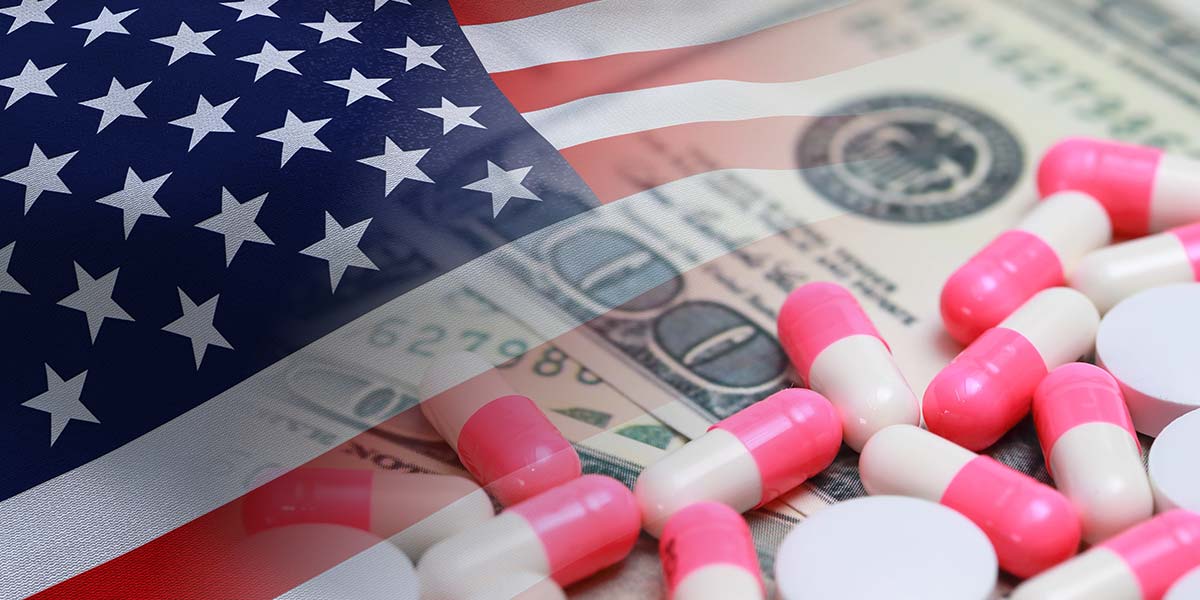
President Donald Trump announced on Tuesday that imports of generic pharmaceuticals into the United States will be exempt from tariffs for two years beginning August 1, 2026. After that period, a 100% tariff will be imposed in August 2028, increasing to 200% in 2029.
The policy change is designed to allow pharmaceutical manufacturers sufficient time to relocate their production operations to the United States before the steep tariff rates come into effect. According to Trump, this phased rollout gives companies time to adjust.
Tariffs will remain unchanged for patented and branded medications. In early April, the administration had already applied a 100% tariff on patented drugs and related ingredients under Section 232, exempting generics, biosimilars, and their components. The higher tariff rate on patented drugs will be enforced after 120 days for major producers and 180 days for smaller firms, which often depend on contract production.
Generic medications represent over 90% of all prescriptions dispensed in the U.S., based on Food and Drug Administration data.
The Association for Accessible Medicines, representing the generic drug sector, said it is reviewing details of the new proposal but generally favors measures that support local production capacity.
This announcement continues a pattern of the Trump administration deploying tariffs to bolster domestic manufacturing in critical sectors such as pharmaceuticals. Officials have often cited concerns over dependence on foreign supply for essential drugs and ingredients.
More than a dozen large pharmaceutical companies, like Eli Lilly, Pfizer, and Novo Nordisk, have entered into agreements with the administration to lower medication prices for U.S. consumers. These arrangements fall within Trump’s “most favored nation” policy, which benchmarks drug prices to those paid abroad and grants a three-year exemption from tariffs for participating firms.
By combining tariff measures and drug price policies, the administration aims to limit U.S. medicine costs to levels found in other wealthy countries.
India’s pharmaceutical industry, which provides nearly half of all generic drugs used in the U.S., stands to be significantly affected. The U.S. market accounts for roughly one-third of India’s pharmaceutical exports, mainly in the form of cost-effective generic drugs. Meanwhile, Chinese companies remain key global suppliers of active pharmaceutical ingredients for the industry.