Escalating conflict in the Middle East has triggered a sharp surge in global oil prices, casting uncertainty over Thai equities. The intensifying disruption at the Strait of Hormuz, a key route for energy shipments, is expected to reshape earnings prospects for sectors tied to oil movements.
Recent coordinated military strikes by the United States and Israel on Iranian targets, followed by swift missile and drone retaliation from Iran across the Persian Gulf, have led to mounting geopolitical tensions in the region. Iran’s restrictions on passage through the Strait of Hormuz have resulted in over 150 oil tankers waiting outside the channel, risking a major interruption in the flow of crude and LNG supplies worldwide. With nearly a third of global seaborne oil and a significant share of LNG passing through the strait, analysts caution that continued restrictions could push oil prices dramatically higher, potentially exceeding $100 per barrel.
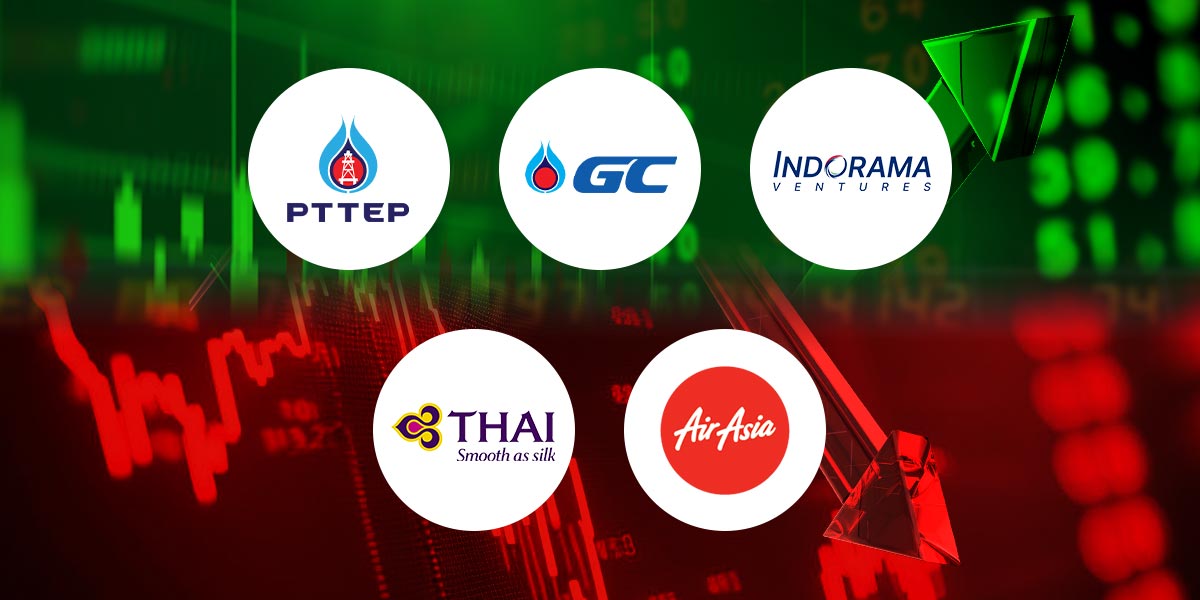
Amid this environment, PTT Exploration and Production (SET: PTTEP), a production arm of state-owned PTT Group, is positioned to benefit the most among Thai-listed firms. As a primary upstream producer, the company’s revenues are closely aligned with crude benchmarks, while its operational costs per barrel remain stable. Any extended rally in oil prices directly supports PTTEP’s profit margins. Additionally, its income in US dollars becomes even more favorable should the baht weaken further.
Short-term advantages may also appear for refining and petrochemical names such as IRPC, Thai Oil (SET: TOP), Star Petroleum Refining (SET: SPRC), PTT Global Chemical (SET: PTTGC), and Indorama Ventures (SET: IVL). These firms may enjoy temporary paper gains as inventory values rise with oil price jumps and product crack spreads potentially widen during supply shocks. However, it is known that prolonged high feedstock costs can rapidly erode margins if economic demand slows, turning initial gains into longer-term pressure.
Conversely, companies in the airline and logistics industries are at significant risk as fuel represents a major expense. Thai carriers, including Asia Aviation (SET: AAV), Bangkok Airways (SET: BA), and Thai Airways International (SET:THAI), could face immediate profitability declines from elevated jet fuel costs, with little capacity to offset these expenses in the near term. Freight and logistics operators also confront rising diesel outlays, undermining earnings potential.
Leading international hospitals in Thailand will also feel the pain from missing medical tourists from the Middle East. Hospitals such as Bangkok Dusit Medical Services (SET: BDMS), Bumrungrad Hospital (SET: BH) and Praram 9 Hospital (SET: PR9) could take a hit as well.
While markets have yet to fully price in a complete closure of the Strait of Hormuz, continued disruptions would prompt rapid revaluation across energy-related shares. PTTEP is viewed as the sector’s key beneficiary, while caution is advised for refiners and petrochemicals due to duration risk. Airlines and logistics remain the most exposed to adverse effects from ongoing oil price volatility.