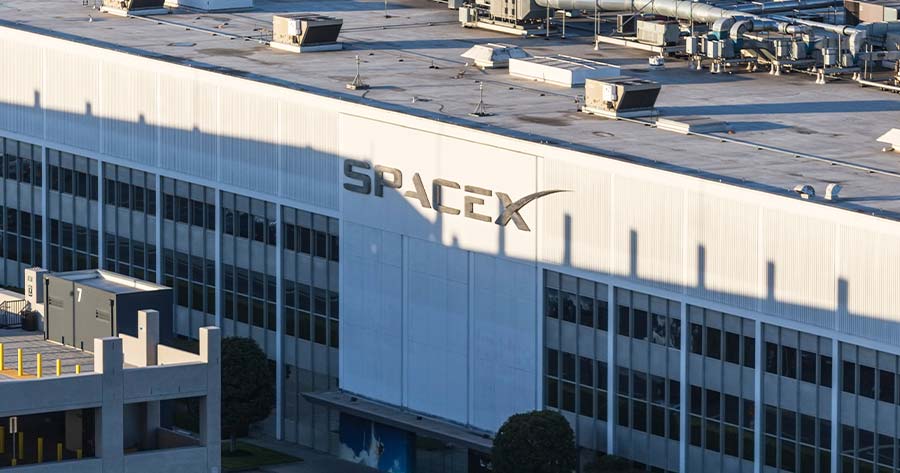
SpaceX has officially filed its preliminary S-1 prospectus, setting the stage for one of the most highly anticipated IPOs in recent history. The IPO will offer Class A common stock (ticker: SPCX), with the final pricing yet to be determined. Leading underwriters include Goldman Sachs, Morgan Stanley, Bank of America, Citigroup, J.P. Morgan, and Barclays, with a 30-day option to purchase additional shares.
Financials and Revenue Drivers
In 2025, SpaceX reported revenue of $18.67 billion, with Q1 2026 revenue at $4.7 billion. Despite generating an adjusted EBITDA of $6.58 billion in 2025, the company continues to post operating losses—$1.94 billion in Q1 2026—resulting from aggressive investments in AI infrastructure and Starship development. No cash dividends have been paid or are planned.
Starlink Fuels Growth
Starlink remains SpaceX’s core revenue engine, accounting for $3.26 billion of Q1 revenue, with approximately 10.3 million subscribers across 164 countries and 9,600 satellites in orbit as of March 2026. The Starlink Mobile division saw 7.4 million monthly unique devices, and the service’s global median download speed stands at 225 Mbps.
Space Launch and Next-Gen Vehicles
The Falcon launch family continues to dominate the global market, boasting a greater than 99% success rate. The Dragon spacecraft has transported astronauts from over 20 nations. Starship, SpaceX’s next-generation vehicle, has completed 11 test flights with operational payload delivery slated for late 2026, driving advances in lunar and Mars missions, as well as point-to-point terrestrial travel.
AI Expansion and Strategic Partnerships
SpaceX’s acquisition of xAI Holdings and X Holdings integrates AI models and platforms, including Grok and the X platform, under its umbrella. The company is constructing gigawatt-scale COLOSSUS superclusters and plans orbital AI compute satellites by 2028. Q1 AI revenue reached $818 million, propelled by partnerships like Anthropic’s $1.25 billion monthly commitment for compute services.
Corporate Governance and Use of Proceeds
Elon Musk retains dominance over SpaceX, holding 42% equity and 79% voting power via Class B shares, while public Class A shares carry reduced voting rights. The company’s recapitalization includes a recent 5-for-1 stock split and relocation to Texas. IPO proceeds will fund further AI ventures, Starship development, expanded Starlink infrastructure, and chip manufacturing collaborations with Tesla/Intel.
Risks and Vision
Key risks include Starship execution challenges, CEO dependence, regulatory barriers, sustained operating losses, and fierce market competition. SpaceX envisions a multiplanetary future, citing a total addressable market in the hundreds of billions for space connectivity and trillions for AI compute.
Ownership Structure
Major stakeholders include Elon Musk, Sequoia Capital, Baillie Gifford, Founders Fund, Fidelity, and Google Ventures.