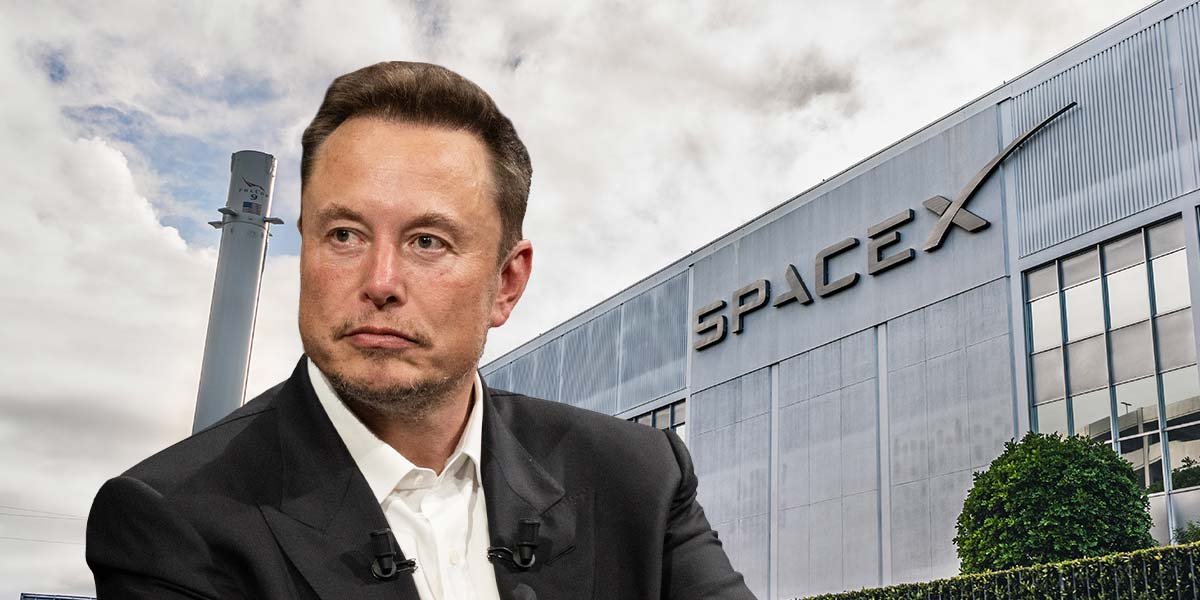
SpaceX made a historic entrance to the public markets, with its stock price soaring as much as 30% on debut before settling at $160.95, up 19% for the day. The company’s public offering raised $75 billion, leading to a valuation of roughly $1.77 trillion and propelling SpaceX among the world’s most valuable companies.
By the end of the first trading session, SpaceX’s market capitalization had surpassed $2 trillion. The event also solidified Elon Musk’s status as the first person to reach trillionaire status. A surge of interest from both institutional and individual investors was evident, with wide participation reported.
High-profile buyers included Jake Paul, who disclosed an acquisition of 70,000 shares at the initial offering price via a social media post, and noted past commitments to SpaceX as a private investor. Paul’s entry coincided with entrepreneur Geoffrey Woo.
In addition to notable personalities, large institutional investors participated heavily; BlackRock reportedly sought $5 billion in IPO shares, while the sovereign wealth funds of Saudi Arabia and Kuwait placed orders sized between $1 billion and $5 billion each, according to Bloomberg News. SpaceX shares also found a home in a variety of ETFs and mutual funds, and among private investors such as rapper 2 Chainz, Michael Kives, and Ari Emanuel.
ARK Invest’s latest trading records reveal that its funds deployed approximately $443 million to acquire an estimated 3.29 million SpaceX shares. To accommodate this allocation, ARK significantly reduced holdings across a broad portfolio. Notable reductions included an 80,000-share sale of AMD, yielding about $40 million. The fund also divested nearly 100,000 shares of Roku over two days and trimmed Tesla by about 40,000 shares, recouping $16 million, alongside reductions in Baidu, Rocket Lab, CrowdStrike, and Cloudflare.
While the IPO saw broad enthusiasm, some prominent voices opted out. AI researcher and author Gary Marcus stated publicly that he would not participate in the offering. In a message posted online prior to the trading debut, Marcus cited the limited size of the public float—less than 5% of total shares—which can fuel high volatility and potentially manipulative trading conditions. He indicated that such market dynamics do not align with his investment approach.