
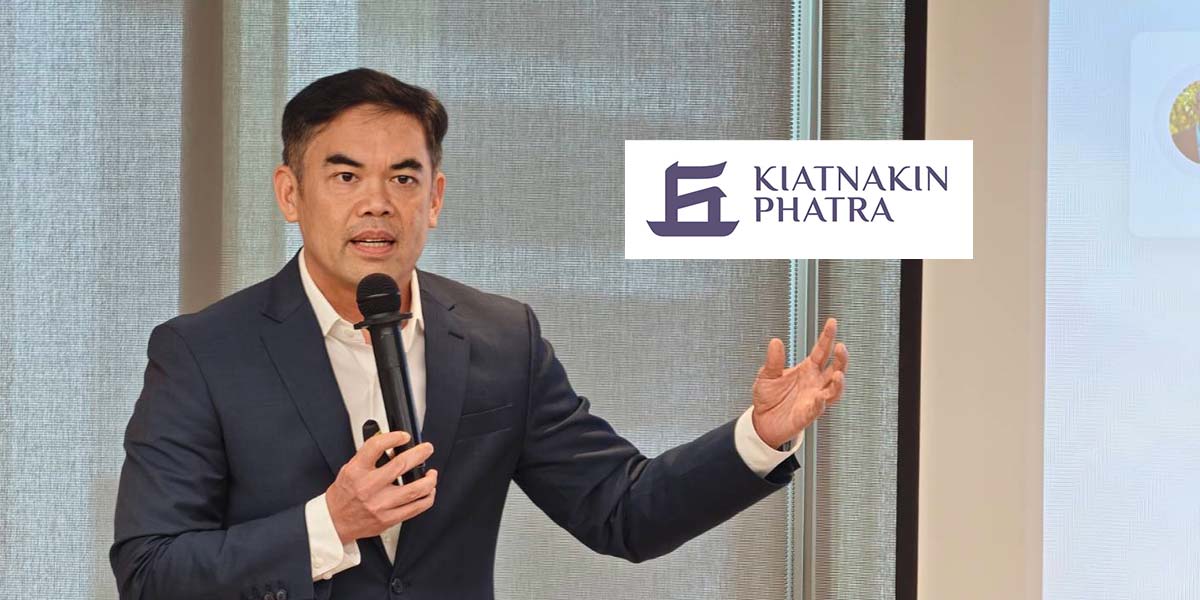
Dr. Pipat Luengnaruemitchai, Assistant Managing Director, Chief Economist, and Head of Economic and Investment Analysis at Kiatnakin Phatra Financial Group (KKP), highlighted that the global economy continues to face heightened uncertainty stemming from political factors, trade policy directions, and rising public debt burdens across major economies—particularly the United States.
Market attention remains focused on the U.S. midterm election outcomes and the policy trajectory of President Donald Trump. While the midterm results themselves are unlikely to trigger drastic market shifts—as investors have largely priced in the probability of the Republican Party losing control of the House of Representatives—the balance of power will fundamentally alter Trump’s legislative leverage during the final two years of his term.
Lacking full congressional backing, the administration will face stricter limitations on passing major legislation, such as the tax cuts under the “One Big Beautiful Bill” or broad trade measures, shifting greater reliance onto executive orders and administrative mechanisms like Section 301 and the Agreement on Reciprocal Trade (ART).
Priorities are expected to pivot toward regulatory oversight in areas independent of legislative approval, including AI, energy, the environment, and Bitcoin. Furthermore, risks surrounding potential government shutdowns, debt ceiling standoffs, and presidential impeachment proceedings could resurface depending on the final seat distribution across both chambers.
In Europe, fiscal concerns are shifting from smaller nations like Greece—which has moved into a budget surplus—to major economies, notably France and Italy. These nations face complex socio-political conflicts, balancing public demands for increased state spending against bond market pressures to curb debt. While sovereign defaults or major credit downgrades remain unlikely in the immediate term, rising bond yields and elevated borrowing costs threaten to increase government interest burdens and weigh on economic sentiment.
These global dynamics create a challenging backdrop for global capital markets. High interest rates paired with slowing economic growth foster an environment unfavorable for equities. As borrowing costs remain elevated, institutional investors are increasingly deleveraging and reallocating capital away from equity markets and emerging markets (EM). Consequently, foreign capital inflows into Thailand and other global capital markets are expected to slow, driving volatility in the local stock exchange despite stable domestic fundamentals.
Domestically, KKP projects Thailand’s GDP growth at approximately 2.5% for the year, characterized by an uneven, K-shaped recovery. For the upside sectors, these were driven by export growth (expanding around 18%) and AI capital expenditures (AI CAPEX). However, these gains are tempered by a high import content for raw materials and capital equipment, causing imports to outpace exports and dragging the trade balance into deficit.
Meanwhile, the downside sectors including automotive, petrochemicals, electronics, construction, real estate, and tourism continue to face severe operational headwinds, alongside a gradual slowdown in domestic private consumption.
In light of persistent macro volatility and slowing capital flows, KKP recommends an investment strategy focused on selected stocks over broad market rallies. Investors are advised to overweight defensive sectors and core “bread and butter” businesses with resilient cash flows, specifically commercial banks (backed by strong capital adequacy ratios), healthcare, and food and beverage industries.