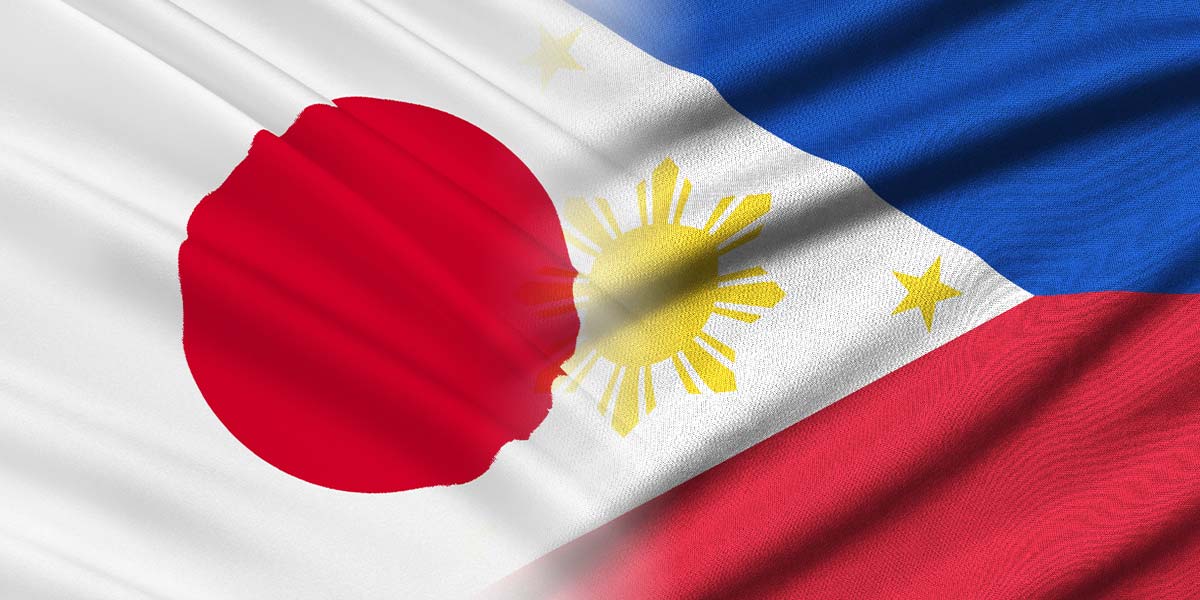
Japan and the Philippines formalized two defense agreements on Thursday, underscoring deepening security collaboration amid escalating tensions in the Asia-Pacific region. Central to these accords is the Acquisition and Cross-Servicing Agreement (ACSA), facilitating rapid exchange of logistics and support between their armed forces—a development that follows a landmark Reciprocal Access Agreement initiated last year by the two U.S.-aligned nations.
Japanese Foreign Minister Toshimitsu Motegi and Philippine Foreign Secretary Theresa Lazaro also disclosed that Tokyo would provide $6 million in Official Security Assistance. The funding will support construction of new facilities for rigid-hulled inflatable boats, part of recent maritime assets contributed by Japan to enhance Manila’s naval operations.
Amid persistent maritime disputes in East Asia, Tokyo has consistently opposed unilateral actions to alter the status quo and has reaffirmed its commitment to strengthening Philippine maritime security, including within a broader trilateral arrangement with the United States. Japan further continues its support for the 2016 ruling by the Permanent Court of Arbitration in The Hague, which dismissed China’s extensive territorial claims in the South China Sea—a verdict Beijing has refused to accept.
As the Philippines prepares to assume the chairmanship of the Association of Southeast Asian Nations, Motegi’s visit comes at a pivotal moment, with regional concerns mounting over rising tensions in the Taiwan Strait. Lazaro emphasized the countries’ shared commitment to upholding international law, including the freedom of navigation and overflight, calling Japan an essential strategic partner.
Japan has maintained that peace and stability across the Taiwan Strait are critical to global security. Remarks made in November by Prime Minister Sanae Takaichi, suggesting Japanese intervention should conflict erupt over Taiwan, were met with strong protest from Beijing, which responded with a ban on certain exports and the imposition of a travel boycott.
China continues to assert its claim of sovereignty over Taiwan, which lies just over 100 kilometers from Japanese territory, and has not discounted the possibility of military force to unify the island. Taiwan has rebuffed these claims, reiterating that determination of its future belongs exclusively to its citizens.