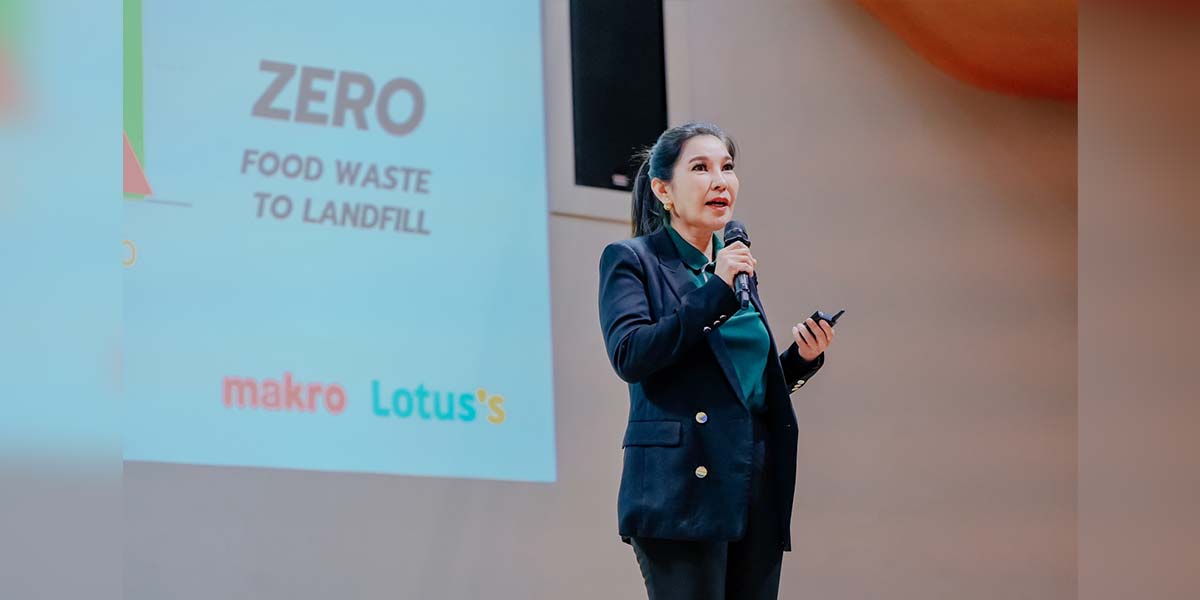
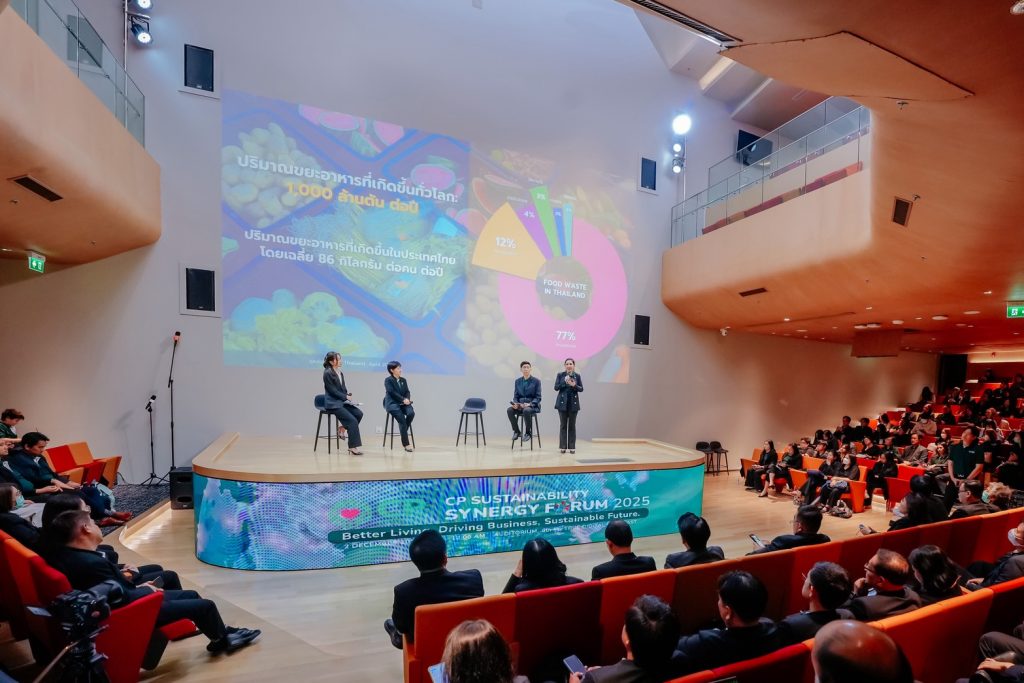
At the “CP Sustainability Synergy Forum 2025,” an annual conference of CP Group to define the future direction of sustainability across the entire value chain, Mrs. Siriporn Dechsingha, Chief Corporate Sustainability and Communication Officer at CP AXTRA Public Company Limited (SET: CPAXT), highlighted the critical role of integrating sustainability into daily business operations, particularly focusing on comprehensive waste management strategies at Makro and Lotus’s.
Mrs. Siriporn emphasised that CP AXTRA views waste management as a highly important issue. The problem of waste is a global challenge, not confined solely to Thailand. Therefore, the approach adopted by CP AXTRA, encompassing Makro and Lotus’s, is centred on how to generate the least amount of waste possible. The strategy begins at the operational level within the branch systems, focusing on reducing waste at the source (upstream). Key methods include:
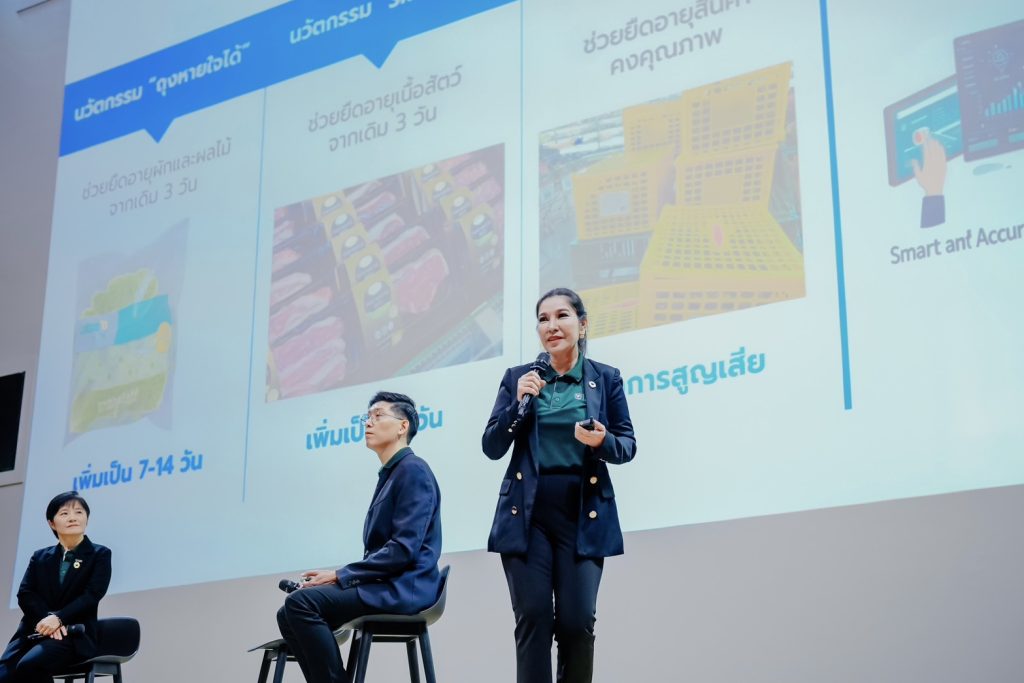
1) Packaging Management: Managing packaging to ensure that fresh products spoil slower, thereby extending the opportunity for sales.
2) Technology and Forecasting: Employing technology to forecast ordering needs. This ensures that the quantity of goods ordered is sufficient without being excessive, preventing unnecessary waste.
3) Near-Expiry Management: Implementing management systems for products nearing their expiration date to prevent them from becoming discarded waste.
The fundamental concept governing this initial stage is managing waste by not creating waste.
Utilizing Food Surplus and Resource Recycling
When waste generation is imminent, specifically when food surplus occurs, the focus shifts to ensuring it benefits others.
- Community Benefit: Food surplus is channelled to people in the community who can use it, including farmers or other individuals requiring these resources.
- Animal Welfare: Surplus food is also used to feed animals. This includes providing food for animals housed in 27 wildlife conservation centres nationwide. This initiative helps to both reduce the centres’ budgets and look after animal welfare.
Finally, even when actual waste is created, it still holds value if “green innovation” technology is applied to transform it. This leads directly into the application of the circular economy model. Food waste is accepted by various farmers who use it as raw material for livestock feed. The products that these farmers subsequently produce can then be sold back, creating a truly complete circular economy.
This overall commitment—managing waste by not creating it, and ensuring maximum benefit when waste does occur—is a principle that CP AXTRA continuously upholds.
Integrating Sustainability into Core Business
At a sideline of the forum, Mrs. Siriporn told “Kaohoon” that a critical principle for achieving sustainability is making it “single-bodied” with the business. Sustainability should not be treated as separate activities or events. Instead, sustainability must run alongside the daily operations of the business.
For example, given that Makro and Lotus’s sell substantial amounts of fresh food, food waste naturally occurs. Therefore, as the business runs daily, systems must be in place to constantly find ways to minimise this waste. This involves working alongside farmers, communities, and forging partnerships with various government agencies to reduce waste every day. CP AXTRA ensures that sustainability considerations are addressed concurrently with running the business.
Cultivating an Organizational Culture
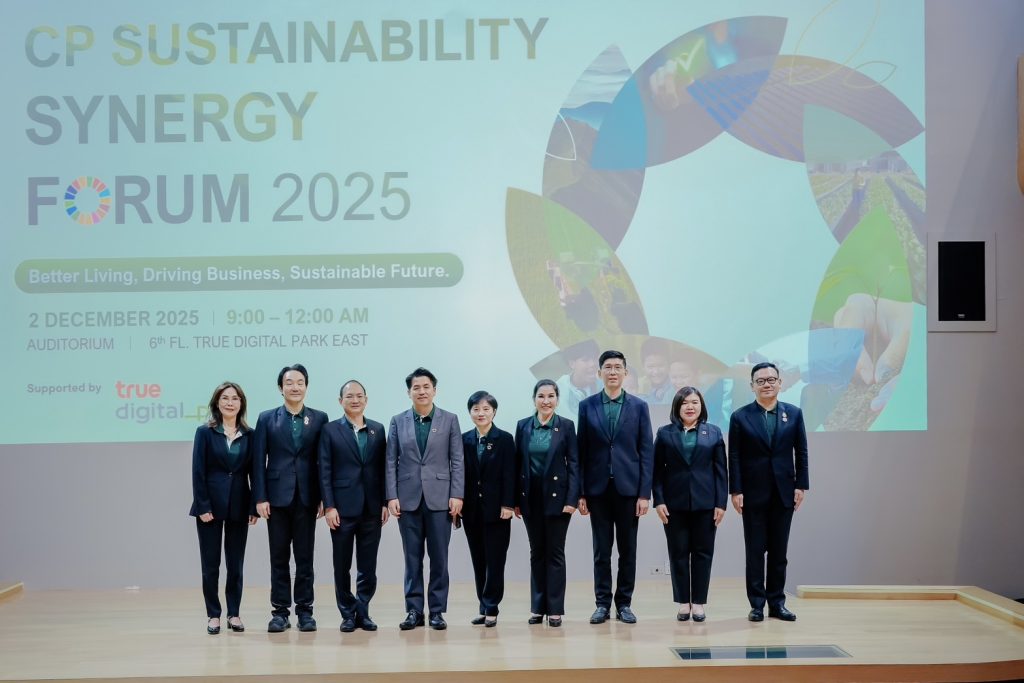
Mrs. Siriporn concluded by offering advice to other companies, stressing that the most important element is the creation of a strong organizational culture.
- Shared Vision: Every employee within the organization must view sustainability as an integral part of doing business.
- Avoiding the “Burden” Mindset: Employees should not see sustainability as separate from their daily work, as this would make it feel like an additional burden. Instead, employees should look at their existing daily tasks and determine how to change their methods to make them more sustainable.
- Leadership and Structure: To achieve this integration, there must be policy direction from the executive level, robust organizational structuring, necessary training, and the development of a positive culture.
When a business views sustainability as beneficial, necessary, and something that must be done in conjunction with the core business, it ceases to be a burden. She stressed that sustainability is not merely a trend, but a necessity that every organization must adopt and maintain.