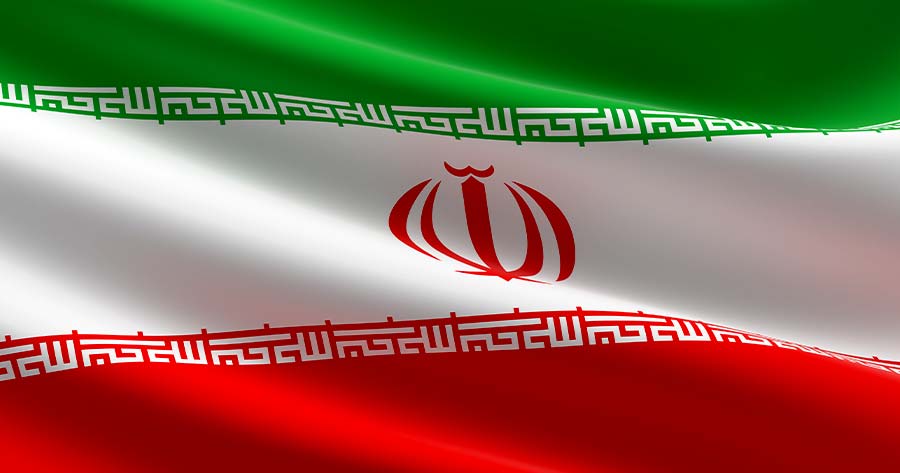
On March 3, 2026, the Islamic Revolutionary Guard Corps (IRGC) of Iran officially declared the Strait of Hormuz closed, threatening to “set fire” to any vessel attempting to pass through the strategic waterway. This move follows three consecutive days of attacks on Tehran, which Iranian officials attribute to the United States and Israel. General Sardar Ebrahim Jabbari stated that the military will not allow “even a single drop of oil” to leave the region.
The closure of this vital maritime corridor — responsible for transporting approximately one-fifth of the world’s oil supply — has raised immediate alarms regarding a global energy crisis. While the U.S. claims to have already destroyed 11 Iranian warships, analysts remain uncertain if Iran can sustain a total blockade without inciting a massive military counter-response from international forces.
Simultaneously, the energy market faced further instability as QatarEnergy suspended its liquefied natural gas (LNG) production. The company cited safety concerns following military strikes on its facilities in Ras Laffan and Mesaieed. Consequently, European LNG prices surged by over 40%, a significant blow considering Qatar is a top global exporter, providing 80% of its supply to Asia, including Thailand.
As global oil prices threaten to skyrocket, the international community is closely monitoring the situation to see if the conflict escalates into a full-scale regional war.