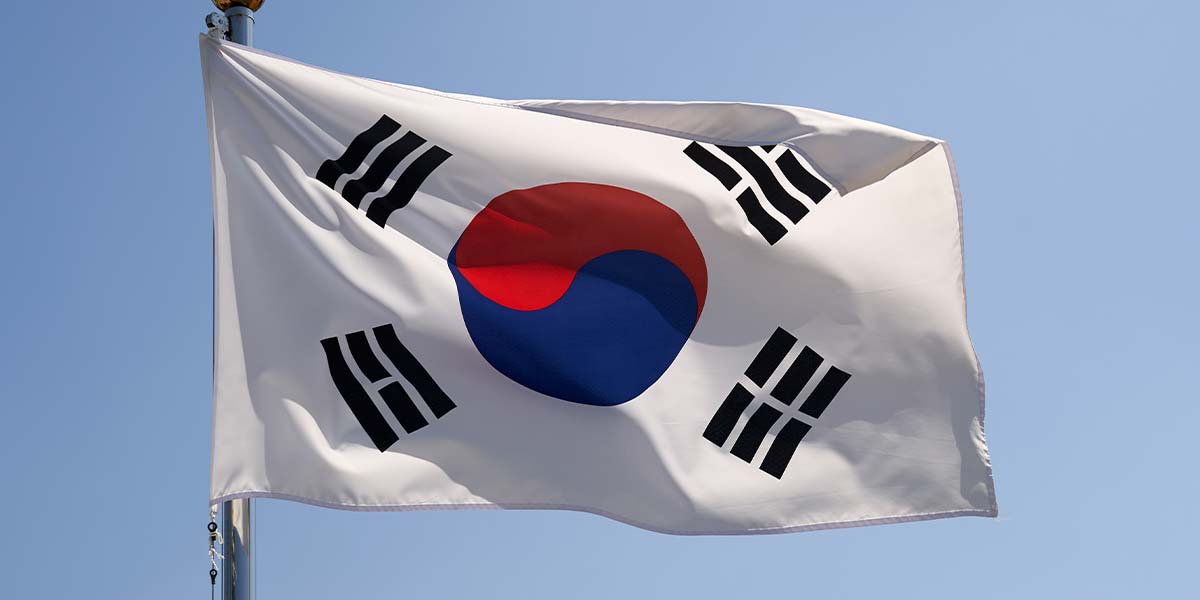
The third of December marks the anniversary of the failed bid for martial law by former President Yoon Suk Yeol. Current President Lee Jae Myung called for accountability and highlighted the ongoing need to address the aftermath of the incident.
He asserted that Yoon’s actions had posed a grave threat to the nation, but South Koreans intervened to uphold democracy and halt the military with mass public action.
The attempt by the former president threw the country into months of political turmoil, undermining South Korea’s reputation as a stable democracy. During the same period, economic uncertainty increased amid tariffs imposed by U.S. President Donald Trump, which affected South Korea’s export-driven economy.
Following public backlash and political instability, Yoon was removed from office, and Lee—who had lost to Yoon in the 2022 election—secured victory in a snap election in June. Those accused of involvement were subsequently detained and faced trials for subversion.
Since assuming office, President Lee has succeeded in negotiating a tariff arrangement with the United States after holding two summits with President Trump. However, social divisions persist, with some on the conservative side expressing concerns about perceived persecution.
Lee cautioned that the process of reforming the country following the martial law episode would be lengthy and challenging, likening it to the arduous treatment of a deep-rooted illness that cannot be swiftly cured.
Notably, South Korea’s economy saw stronger growth in the third quarter, according to revised data from the central bank. Gross domestic product expanded by 1.3% quarter-on-quarter, ahead of the initial estimate of 1.2%, marking the country’s fastest quarterly growth since the fourth quarter of 2021, when the pace reached 1.6%. On an annual basis, GDP rose 1.8%, also topping the earlier estimate of 1.7%.