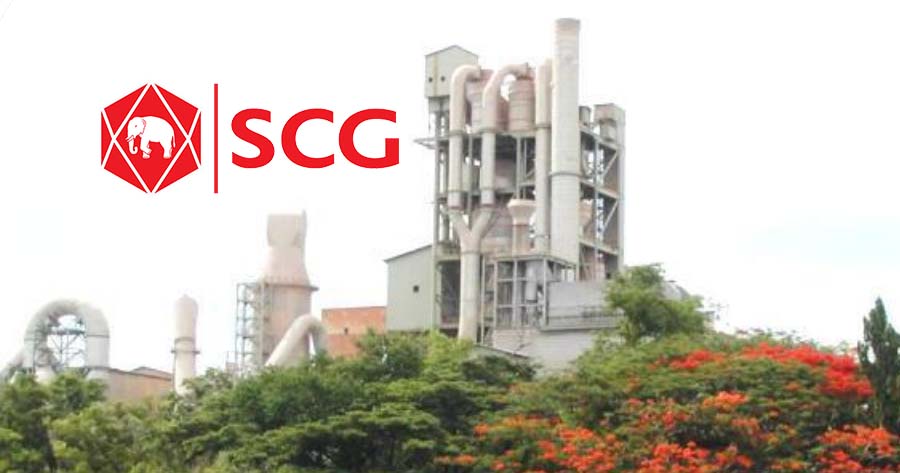
After Thailand and Iran reached a key agreement allowing Thai oil tankers to transit through the Strait of Hormuz, the risk related to securing naphtha feedstock for Thai petrochemical plants has significantly decreased. This is particularly beneficial for The Siam Cement Public Company Limited (SET: SCC), which relies heavily on naphtha as a primary raw material in its production process.
As a result of improved feedstock security, SCC’s price rose by 1.48%, closing at THB 206 on March 30, 2026, with a total trading value of THB 1,571 million. This reflects investors’ confidence in production continuity and reduced geopolitical risk.
Bualuang Securities noted that supply risk concerns over Thailand’s naphtha feedstock have eased after the key agreement between Thailand and Iran, allowing Thai oil tankers to transit the Strait of Hormuz—one of the world’s most important routes for oil and LNG (liquefied natural gas). The strait handles about 20% of global oil and a similar share of LNG, thus stabilizing naphtha supply for SCC’s petrochemical plants.
Previously, parts of the Strait of Hormuz were closed due to geopolitical tensions, disrupting shipments of crude oil, refined oil products, and LNG, and increasing the risk of naphtha shortages for SCC’s petrochemical factories.
On March 6, SCC had to shut down production at its Rayong Olefins Plant (ROC) due to a shortage of naphtha, affecting ethylene production capacity of around 800,000 tons per year (6% of Southeast Asia) and propylene capacity of approximately 400,000 tons per year (4% of Southeast Asia).
However, the ROC plant was able to source some feedstock from regions outside the Middle East. Following the latest Iran agreement, Thai oil shipments are expected to resume passage through the Strait of Hormuz soon, likely limiting the ROC shutdown to just eight weeks. Other plants, such as Map Ta Phut Olefins Company (MOC) and Long Son Petrochemicals (LSP), are not likely to face additional shutdowns.
Apart from easing feedstock risk, the petrochemical price spread is expected to create significant earnings upside for SCC. The shortage of naphtha in Asia and the Middle East has led many olefins plants to halt production, shrinking petrochemical product supply and causing prices and price spreads to rise. For instance, the high-density polyethylene (HDPE) price spread increased from $280 per ton at the end of February to $415 per ton in the latest week.
Analysis indicates that for every $30 per ton increase in HDPE price spread above the base case of $350 per ton, SCC’s 2026 net profit will increase by an additional 3%.
Based on the feedstock and petrochemical pricing factors above, the 2026 net profit forecast has been revised up by 18% to THB 10,366 million, and the recommendation upgraded from “Sell” to “Buy.” The 2026 year-end target price has been raised to THB 260 per share from the previous THB 170, based on a P/BV ratio of 0.9 times from the previous 0.6 times.