The special Cabinet meeting today (March 26, 2026) approved seven measures to alleviate the impact of the oil situation as proposed by the Ministry of Finance:
- Approval for the Ministry of Finance to consider reducing the excise tax rate, with appropriate formats and duration.
- Approval to increase the State Welfare Card limit (บัตรสวัสดิการแห่งรัฐ) for vulnerable groups to spend on consumer goods, raising it from 300 baht by 100 baht to 400 baht per person per month for one month. Once a new government is formed, the situation and continuity will be reassessed.
- Assignment to the Ministry of Transport to oversee the transport sector, including goods trucks and public buses.
- Support for farmers through the Green Flag Project, subsidizing fertilizer costs alongside the Good Soil Card, to reduce costs and promote alternative or organic fertilizers.
- Assistance to the fishery sector by supporting the use of B20 oil, which is around 5-6 baht cheaper than conventional oil.
- Support for government contract companies by extending project acceptance deadlines on a case-by-case basis and expediting the K-value (ค่า K) compensation via the Budget Bureau.
- Assistance for affected entrepreneurs, especially SMEs, through the Ministry of Finance and Government Savings Bank, which is preparing a 10-billion-baht soft loan fund to provide working capital throughout the supply chain.
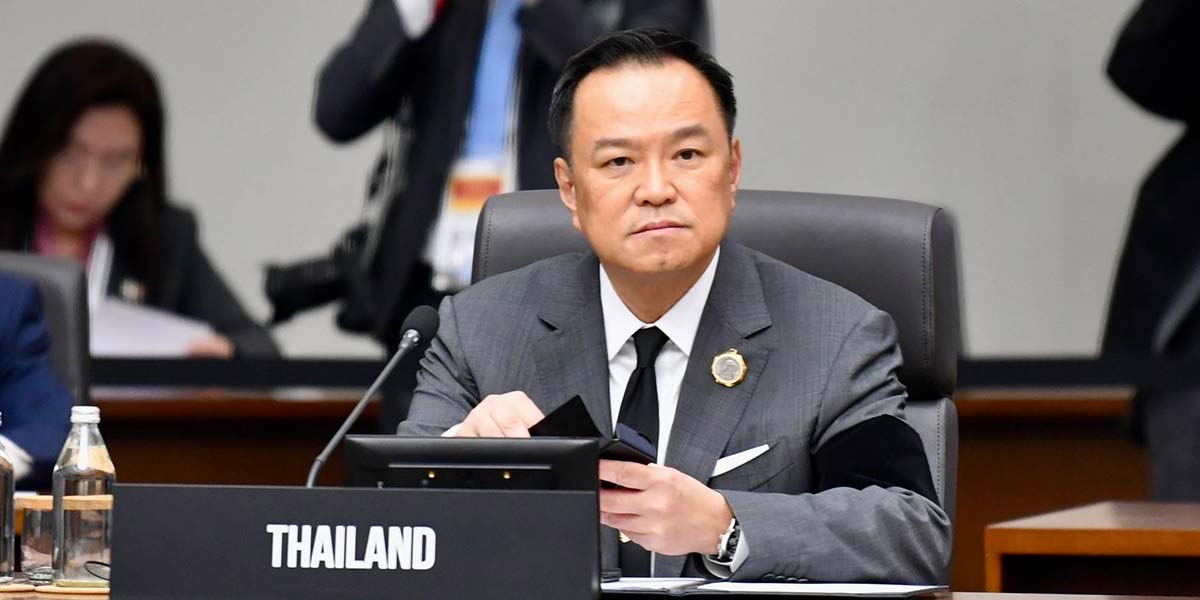
The meeting was chaired by Mr. Anutin Charnvirakul, the Prime Minister, along with Mr. Ekniti Nitithanprapas, Deputy Prime Minister and Minister of Finance; Ms. Suphajee Suthumpun, Minister of Commerce; Mr. Auttapol Rerkpiboon, Minister of Energy, along with Permanent Secretaries from the Ministry of Energy, Ministry of Transport, and Ministry of Finance.
The Permanent Secretary of the Ministry of Finance elaborated on the excise tax reduction, stating that the Excise Department is currently consulting with the Office of the Council of State regarding the legal aspects of what can be done. Currently, it is believed that action can proceed.
However, after the Cabinet’s resolution, approval must be sought from the Election Commission. If the EC permits, implementation can begin immediately. If not, a request for approval will be resubmitted once there is a new government.
The reduction rates or the revenue impact will depend on each case, and the Excise Department is reviewing the details individually.
For the increased State Welfare Card limit, the budget needed is approximately 1.3 billion baht and will come from the central budget, which the Cabinet has already approved. However, as this is a caretaker government, final approval must also be requested from the Election Commission.