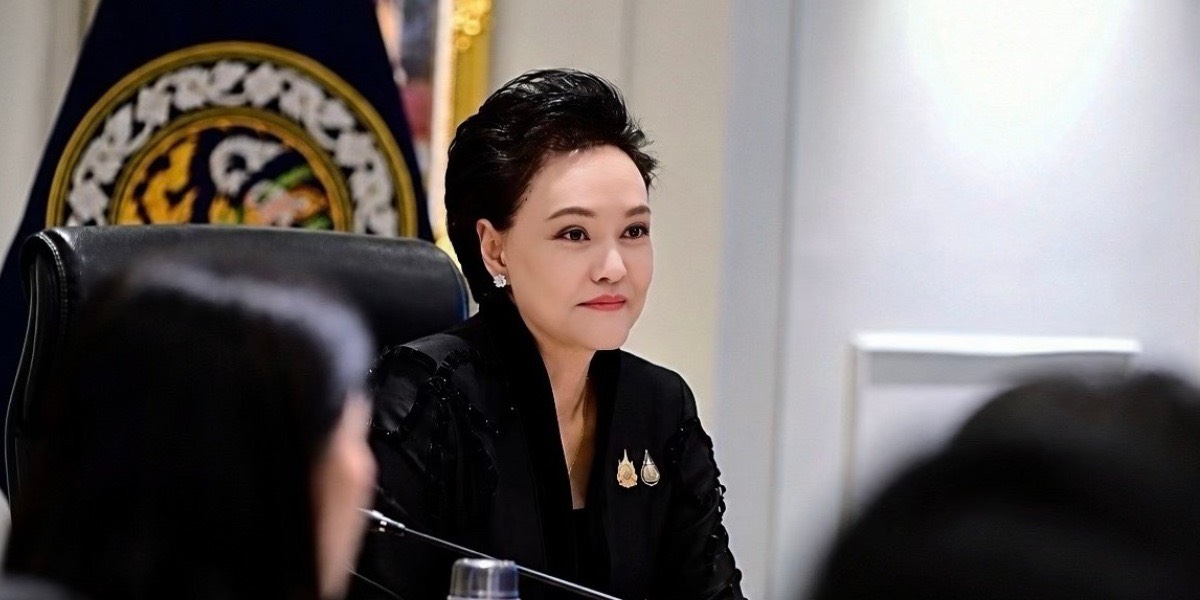
Suphajee Suthumpun, Deputy Prime Minister and Minister of Commerce, announced four core strategies to respond to the United States’ new Section 301 tariffs targeting forced labor. The measure, effective July 24, 2026, replaces Section 122 and imposes a 12.5% tariff rate on Thai goods—higher than the 10% levied on Malaysia, Indonesia, and Cambodia.
The first strategy is to expedite new legislation prohibiting imports made with forced labor. The Ministry of Justice and Ministry of Labour are jointly drafting the law, which is expected to progress by August after cabinet and House consideration. The U.S. has been notified of Thailand’s efforts on this front.
Secondly, Thailand aims to quickly conclude negotiations on the Agreement on Reciprocal Trade (ART). While committed to mutual trade benefits, Thailand maintains a firm stance on unresolved sensitive issues.
Suphajee noted that technical talks with the U.S. are sought, with the hope of reaching an agreement within a week of initiation. Thailand’s proposal under ART includes increasing imports from the US in areas like agriculture, energy, and aircraft, with the objective of keeping tariffs competitive and below the previous 19% threshold.
The third approach emphasizes supporting Thai private sector investment in the U.S., which currently amounts to $19.3 billion with plans for a further $5.5 billion in the pipeline. The government will continue backing these initiatives.
Finally, Thailand plans to boost imports from the U.S. in line with previous commitments, and will foster broader cooperation, including security, military, and non-tariff measures under ART discussions.
During recent talks in the U.S., Thai negotiators highlighted their commitment to lowering the trade deficit and presented investment data to show Thailand’s positive impact on U.S. jobs and income. The government is also working with relevant associations and businesses to tailor support and mitigation strategies for each product group affected by the tariffs.
Brokerage firms see limited negative implications. AIRA Securities noted that the tariff rate reflects Thailand’s weaker labor commitments but expects only marginal competitive impact since regional peers face similar rates and key goods enjoy exemptions.
Daol Securities (Thailand) views the new tariff as only a slight increase from previous levels and maintains a “Neutral” outlook for the pet food sector, with ITC and TU as top picks and a target price of THB 20 and THB 12.80 respectively, citing companies’ adaptation to higher tariffs.