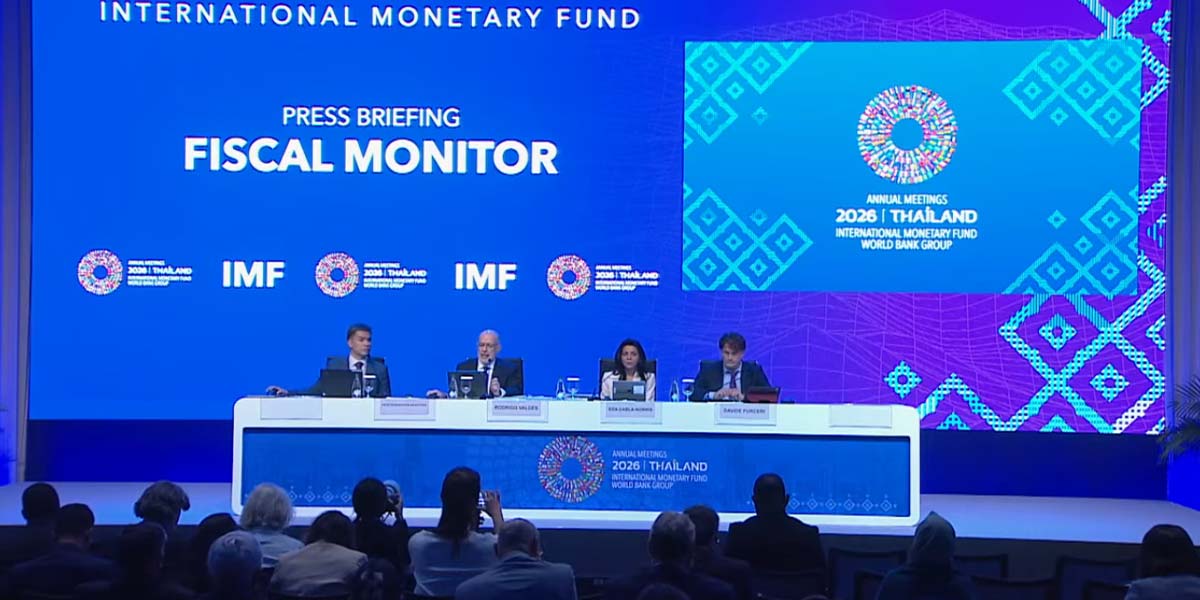
During the 2026 IMF-World Bank Group Annual Meetings in Bangkok, Thailand, the ‘Fiscal Monitor Press Briefing’ highlighted mounting pressure on public finances, with global public debt projected to reach 100% of GDP by the end of the decade. Fiscal positions have weakened, leaving governments with less room to respond to economic shocks and meet competing spending needs.
The IMF’s recommendations emphasize three urgent priorities for policymakers seeking to restore fiscal resilience. First, countries are urged to improve the design of tax systems and public spending composition, making both less distortionary and more conducive to economic growth. Second, the Fund called for immediate fiscal consolidation in nations facing high debt levels or significant fiscal risks, underpinned by credible frameworks and transparent institutions. Third, the IMF advised phasing out broad-based energy price subsidies in favor of policies that allow energy prices to reflect true scarcity, coupled with targeted, temporary support measures for the most vulnerable.
Rising government borrowing costs are adding to these challenges. The gap between interest rates and economic growth has narrowed, while sovereign bond yields in G7 economies have increased by around 120 basis points since February. As existing debt matures and is refinanced at higher rates, governments are likely to face greater interest expenses, putting additional pressure on public budgets and limiting their capacity to fund priorities such as healthcare, defense, and infrastructure.
In emerging and developing economies, improving value-added tax design, including addressing unrecovered input VAT and inefficient exemptions, could generate economy-wide welfare gains. Stronger tax administration can further improve revenue collection while reducing compliance burdens and supporting business productivity.
For regions where tax revenues remain low in some countries, priorities include simplifying tax systems, broadening the revenue base, and replacing general fuel subsidies with targeted assistance. The IMF highlighted the need to reduce inefficient tax expenditures, contain spending pressures, establish credible fiscal frameworks, and build financial buffers against economic and climate-related shocks.
Notably, implementing these reforms remains politically challenging. The costs of withdrawing subsidies or tax exemptions can be immediate and concentrated among affected groups, while the benefits of stronger public finances and more efficient taxation may take longer to materialize.