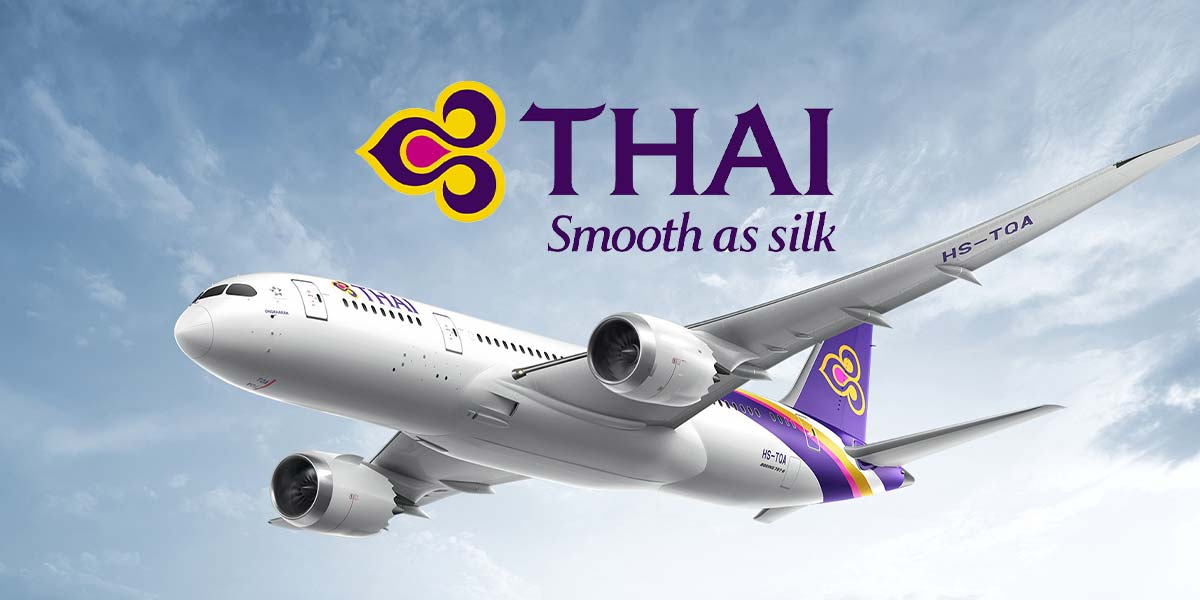
Thai Airways International Public Company Limited (SET: THAI) is taking major steps to reinforce its market position, with CEO Chai Eamsiri announcing the lease of 10 Boeing 787-8 wide-body aircraft. The deal, approved by the board, will see deliveries commence from July 2026 under a seven-year lease, sourced from China Eastern Airlines via lessor Avolon at a reduced rate. This move is set to increase THAI’s operational efficiency and fleet scale.
In addition to the Boeing deal, THAI has signed for 32 Airbus A321neo narrow-body aircraft, already receiving initial deliveries. The airline expects another 14 planes to arrive in 2026, with full receipt planned by 2028. By the end of this year, the airline targets a fleet of around 102 aircraft, nearly returning to its pre-pandemic size and supporting its vision as a Network Airline with a comprehensive route map.
With this expanded fleet, THAI anticipates capacity to rise by more than 5% in 2026, with passenger growth estimated at 7%—over 1 million more passengers. The company forecasts improvements in both EBITDA and total revenue compared to 2025.
THAI is also advancing the U-Tapao Maintenance, Repair, and Overhaul (MRO) Center. The plan will be tabled to the board for approval in April and land leased with the Eastern Economic Corridor Office (EECO or EEC) by May 2026. The THB 10 billion venture, on a 50-year contract for a 210-rai plot, combines land rental and tiered earnings sharing: only rent in the initial 1 – 4 years , then increasing revenue shares from the fifth year onward (3% for years 5–10, 5% for years 11–15, and 7% from year 15 onward).
Post-contract, THAI will proceed with construction, licensing, and client acquisition. Two new subsidiaries—Thai MRO Group Company Limited and Thai MRO Services Company Limited—have been registered to operate aircraft maintenance and repairing services.
The U-Tapao MRO center, the largest of its kind in Thailand, aims to provide heavy maintenance capability and catalyze local aviation and supporting industries. Additional EEC plans include developing adjacent land for private jet services, cementing U-Tapao’s regional aviation hub status.
Yuanta Securities maintains a positive view on THAI after its 2025 briefing, citing benefits from Middle East geopolitical tensions that have increased demand for THAI’s European routes. Despite some route detours, fuel cost impacts remain controllable; about 50% of first-half and 30% of second-half 2026 fuel needs are hedged at $70 per barrel Brent. A currently high crack spread may slightly lift fuel costs from April, prompting careful fare adjustments.
First quarter 2026 results are set to improve quarter-on-quarter, thanks to seasonal and SG&A reductions, though they’re expected to be lower year-on-year due to last year’s high profit base. In summary, despite higher cost pressures, THAI’s fleet expansion and European network reinforce its competitive advantage, and its valuation remains attractive compared to peers like Singapore Airlines. Yuanta maintains a “Buy” recommendation, with a fair value of THB 9.30 per share.