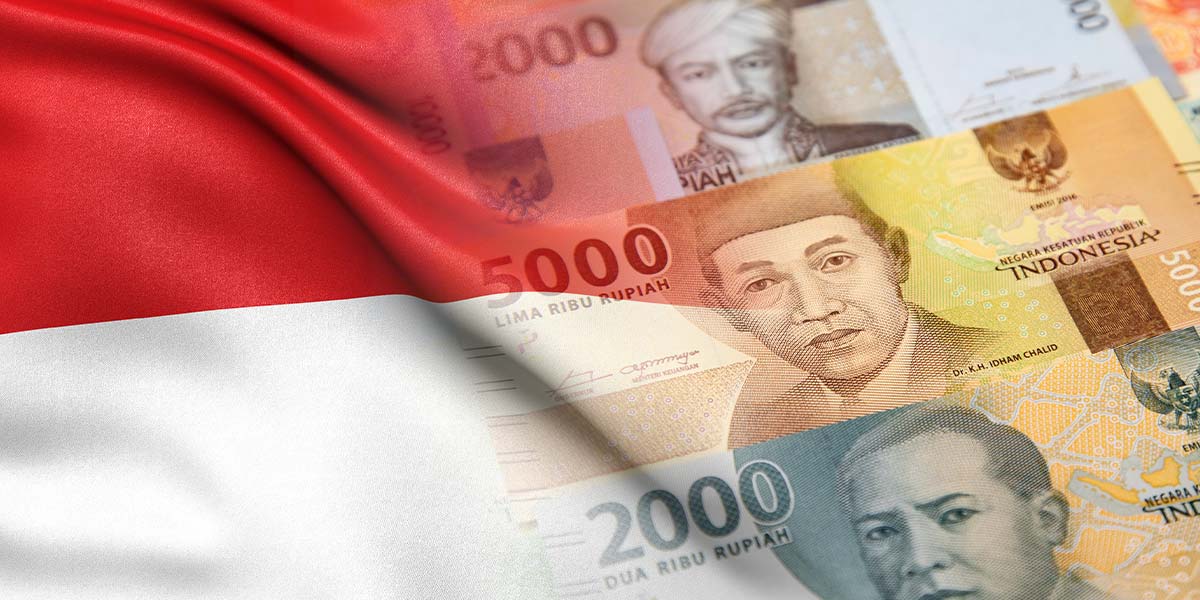
The Indonesian rupiah plummeted to an unprecedented low against the US dollar on Thursday, June 4, 2026, crossing the significant 18,000 threshold. This decline marks a total depreciation of over 7% for the year, cementing its status as the weakest performing currency in the region.
The currency’s instability is largely a reaction to escalating energy costs stemming from the conflict between the United States, Israel, and Iran. With global crude prices climbing toward $96 per barrel, Indonesia—a net importer of oil—is facing a significant blow to its trade balance. Compounding these external pressures, the United States administration under President Donald Trump has proposed new import duties of up to 12.5% on Indonesian products, citing concerns over labour practices.
Domestic factors have further eroded confidence. Indonesia’s trade surplus, which stood at $3.3 billion in March, narrowed sharply to just $89 million by April as the cost of energy imports soared. Furthermore, the nation’s current account deficit expanded to $4 billion in the first quarter of 2026, the widest gap since the pandemic era.
Market participants have also expressed concern over new government mandates. A regulation effective June 1 requires exporters to repatriate and lock their earnings in state banks for 12 months, a move that sparked a pre-deadline rush to move funds offshore. Additionally, the recent launch of the Danantara sovereign wealth fund has introduced institutional uncertainty into the commodity sector.
In response to the rout, Bank Indonesia has deployed aggressive market interventions and implemented a surprise 50-basis-point interest rate hike in May, bringing the benchmark to 5.25%. The central bank has also restricted individual dollar purchases exceeding $25,000 per month to those with verified documentation.
Despite these measures, analysts from institutions like BNP Paribas and MUFG expect the central bank to tighten policy further at its June 18 meeting. With foreign reserves currently at a two-year low, some strategists suggest the central bank may need to raise rates by as much as 75 basis points this month to restore market stability and avoid potential credit rating downgrades.