The 2026 IMF-World Bank Group Annual Meetings in Bangkok placed micro, small, and medium-sized enterprises (MSMEs) center stage, focusing on innovative digital strategies to tackle the persistent $4 trillion global MSME financing gap.
With MSMEs serving as the backbone of global employment—responsible for up to 75% of jobs in developing nations—panel leaders emphasized urgent reform to stimulate job creation for an upcoming wave of 1.2 billion youth entering the workforce in the next decade.
Moving Beyond Collateral: Data as the New Backbone of Lending
Mr. Ajay Banga, President of the World Bank Group, highlighted a transformative shift: leveraging digital transaction data as “the new collateral.” Traditional collateral-based bank lending, he argued, is outdated and exclusionary, particularly given regulatory frameworks that penalize MSME lending with high capital requirements. The World Bank’s four-pillar strategy aims to: digitize MSME cash flows; connect small businesses to affordable shared services; reform insolvency and regulatory barriers; and fund operations through bank-fintech collaboration. Last year, the World Bank mobilized $112 billion in private capital to bolster these efforts.
The Thai Experience: QR Payments Unlock MSME Credit
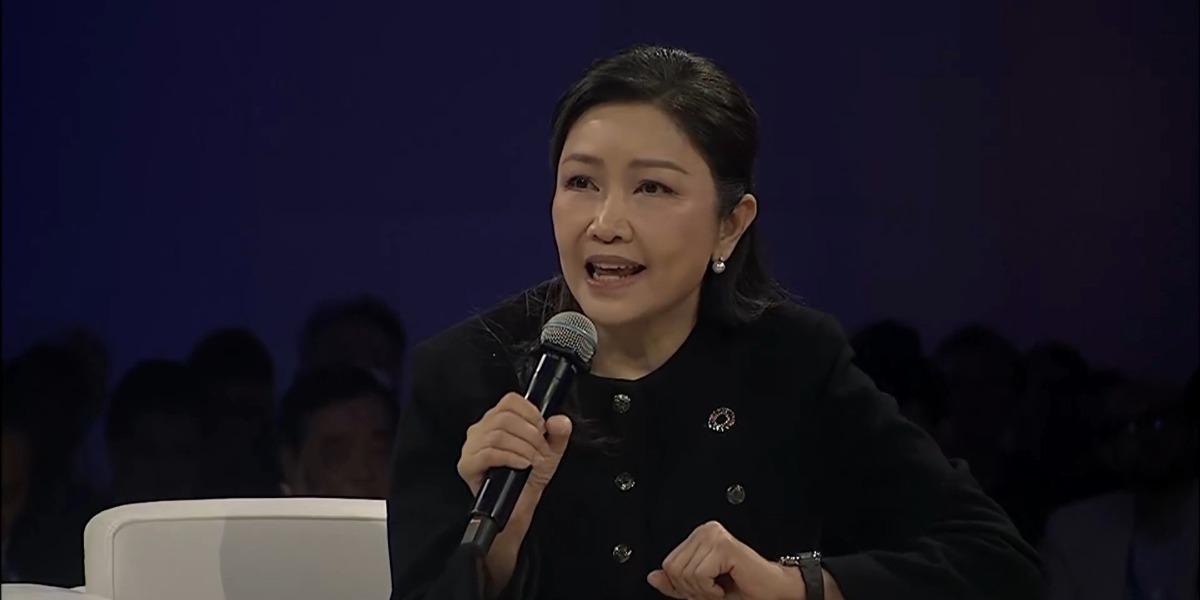
Ms. Kattiya Indaravijaya, CEO of Kasikornbank (SET: KBANK), described Thailand’s progress in MSME financing through the integration of QR payment systems. By digitizing everyday transactions, small business owners build reliable digital footprints, enabling banks to assess creditworthiness even in the absence of physical collateral. Despite these advances, she acknowledged ongoing challenges—including hybrid cash operations and blended accounting—while calling for expanded open data frameworks and regulatory modernization to foster effective bank-fintech partnerships.
Global Voices: Technology, Policy, and Inclusion
Further panel insights spotlighted India’s public digital infrastructure, Mexico’s fintech-driven MSME credit expansion, and the importance of updated global regulatory standards. Entrepreneurs and fintech leaders showcased tangible impact: female-led MSMEs in Mexico saw their average growth rate spike up to 42% after accessing credit, while platforms like Grab leveraged vast transaction data pools for lending to micro-entrepreneurs.
Echoing the call for reform, Mr. John Denton of the International Chamber of Commerce urged policymakers to harmonize digital and trade laws and realign capital regulations, citing global MSME trade finance default rates as remarkably low—just 0.24%.
The session made clear: unlocking the power of digital data in MSME finance—supported by strategic policy reform and collaboration—is critical for sustainable global job growth in the years ahead.